
.svg)
.svg)
Why linkedin document posts get 24.42% engagement vs 6.6% for text


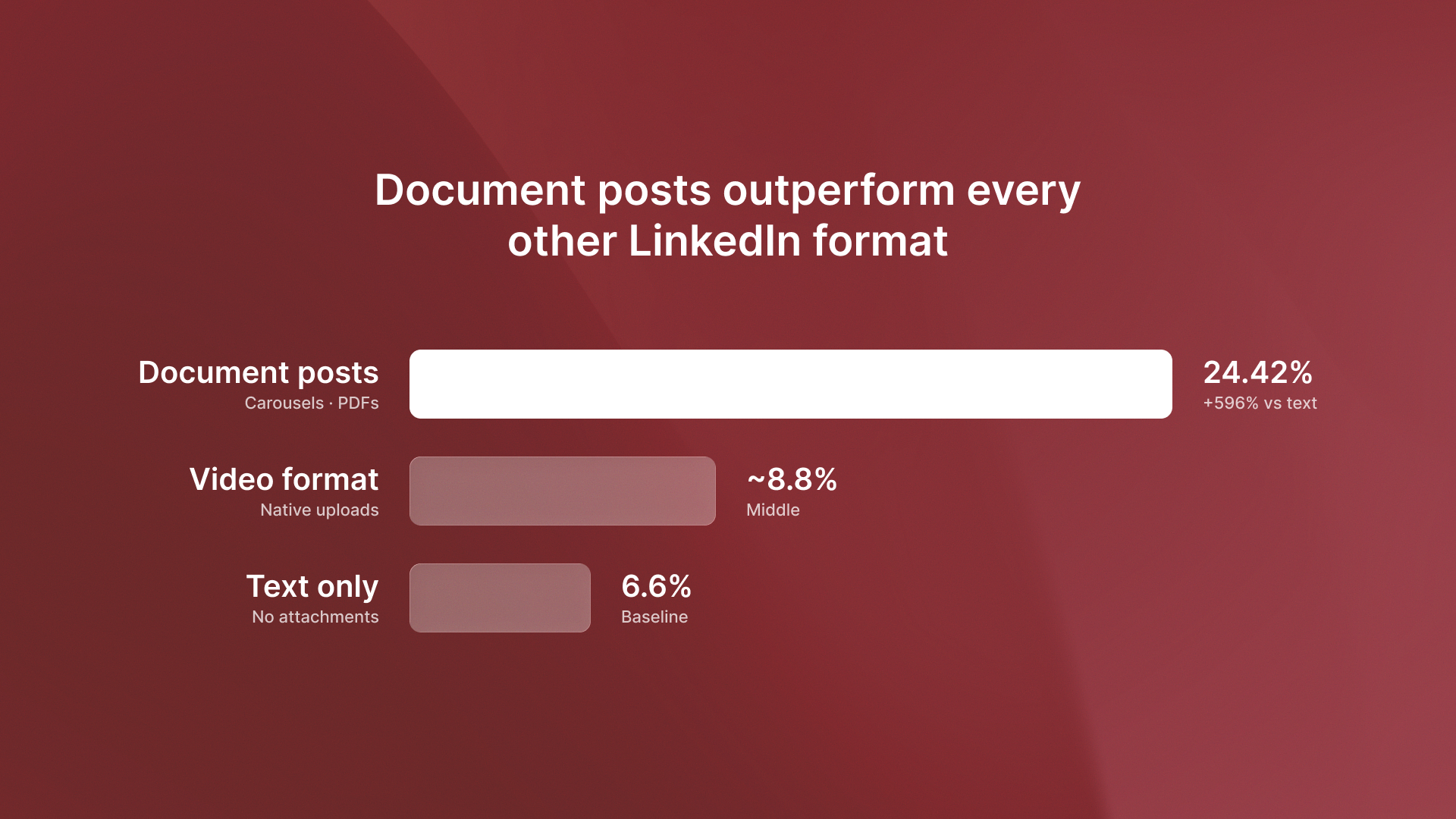
Text-only LinkedIn posts get 6.6% engagement. LinkedIn document posts get 24.42%. That's not a marginal improvement, it's a 3.7x multiplier that compounds over time.
Most professionals know document posts perform better. They've seen the data, scrolled past successful carousels, maybe even bookmarked a few. But they still default to text-only posts because the alternative feels operationally expensive. The real barrier isn't creative skill or design expertise. It's workflow fragmentation.
LinkedIn document posts deliver measurable engagement advantages
LinkedIn document and carousel posts average a 24.42% engagement rate. Text-only content averages 6.6%, based on Meet Lea's LinkedIn Engagement Metrics 2026 benchmarking data. That 3.7x multiplier isn't a one-time anomaly. These LinkedIn engagement rates hold across industries, company sizes, and content topics.
The same data reveals document post engagement generates:
- 278% more interaction than videos
- 596% more than text-only posts (Meet Lea)
Video gets positioned as the gold standard for social engagement. But on LinkedIn specifically, native document uploads consistently outperform every other format.
LinkedIn post formats matter because they directly impact algorithmic distribution. Understanding which formats drive LinkedIn engagement rates helps you allocate creative resources more effectively. This is part of a broader LinkedIn content strategy shift toward multi-slide posts. These posts help keep users on the platform longer.
Why the format works
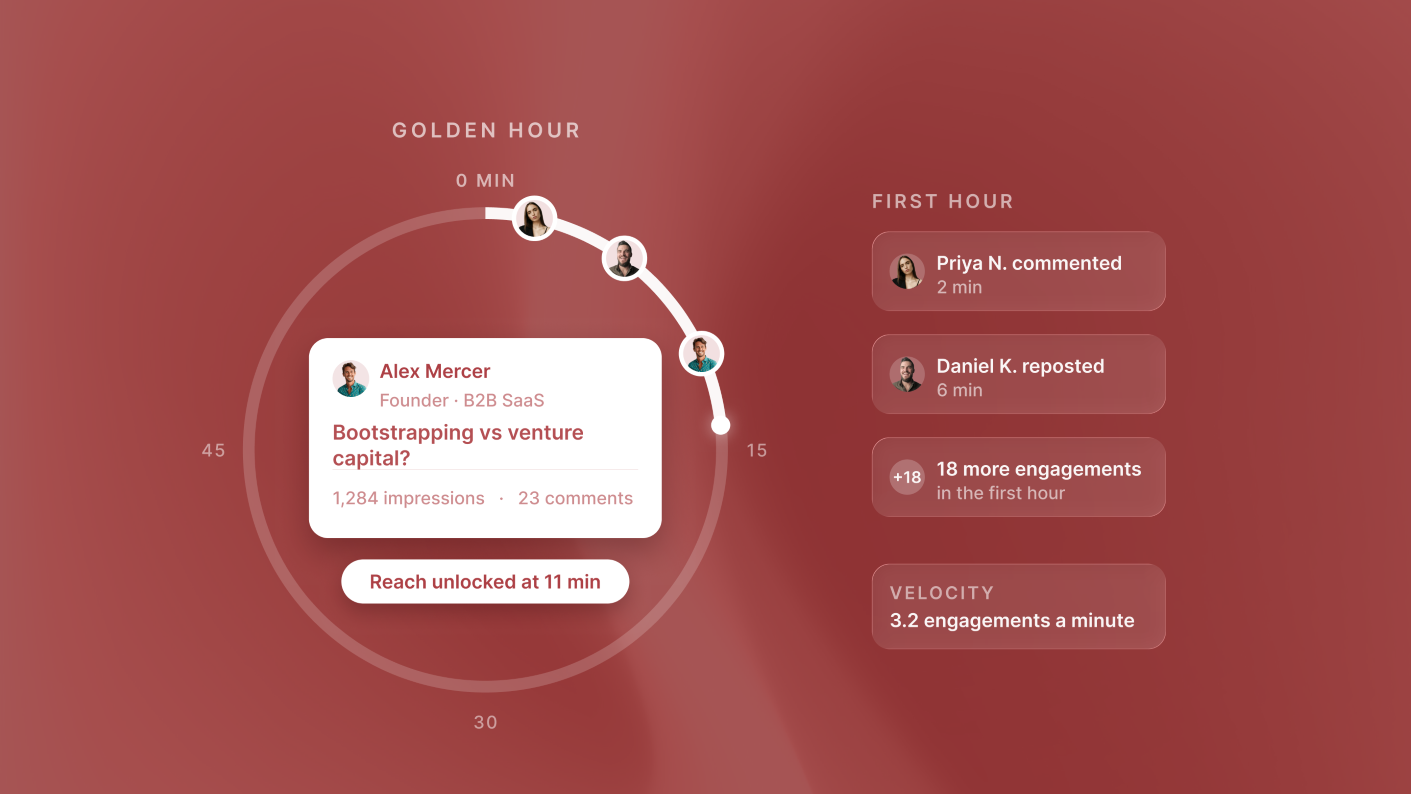
LinkedIn's algorithm prioritizes native document uploads because they keep users on-platform longer. Multi-slide formats create natural dwell time as readers click through each slide. The algorithm interprets this extended engagement as a quality signal. It rewards it with greater distribution.
The format also solves a fundamental attention problem. A text-only post competes with every other post in the feed. A document post becomes its own contained experience. The reader commits to clicking through slides, which creates momentum. Once they've invested in slide one, they're more likely to finish the entire carousel.
LinkedIn carousel posts work because they transform passive scrolling into active engagement. Each slide transition is a micro-commitment that increases completion rates and signals value to the algorithm.
The real barrier is workflow fragmentation
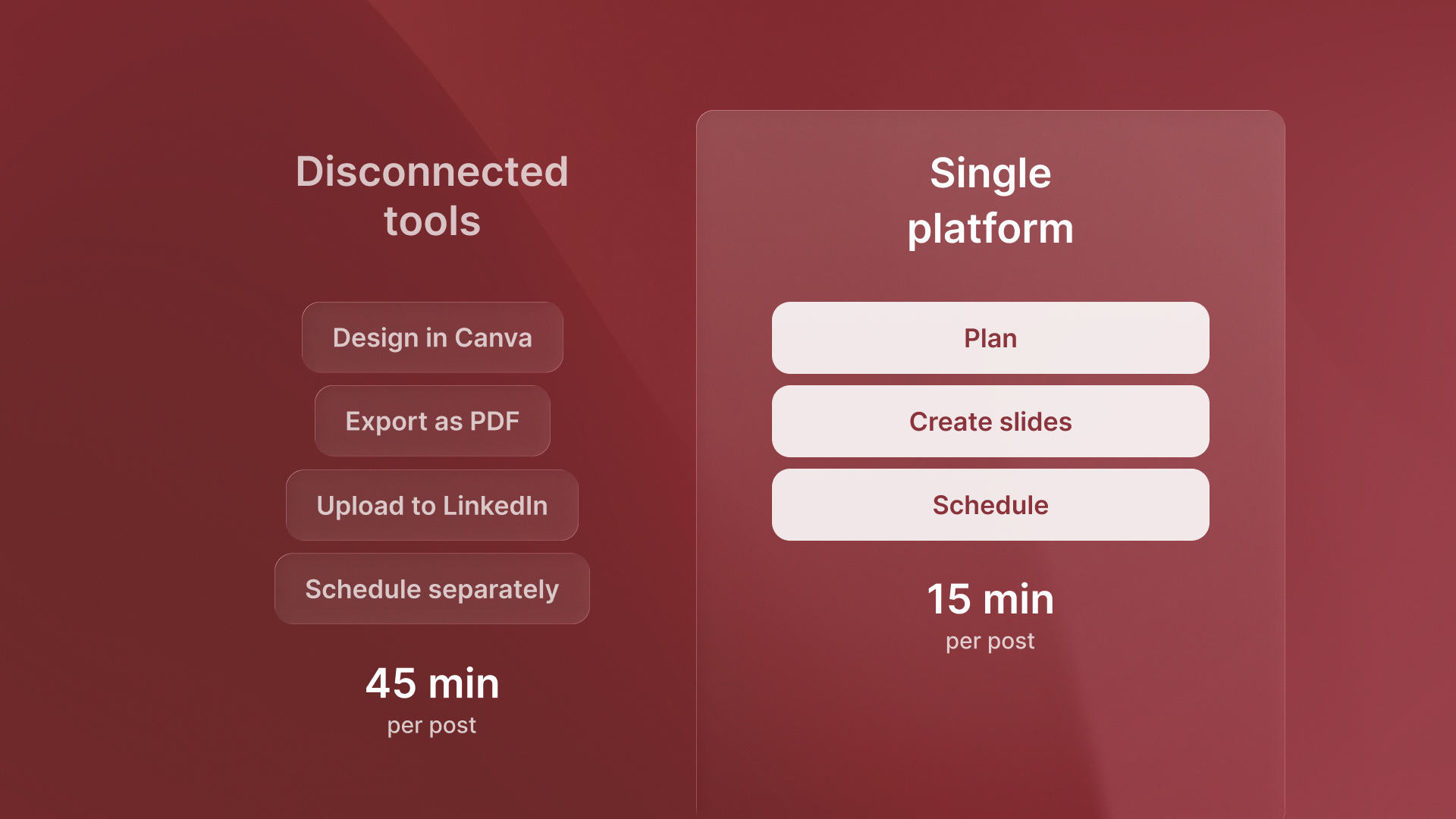
Professionals abandon document post creation at the workflow stage, not the creative stage. The typical process involves:
- Designing slides in Canva
- Exporting PDFs
- Uploading to LinkedIn
- Switching to a separate scheduling tool
That's three to four disconnected tools with manual handoffs between each step.
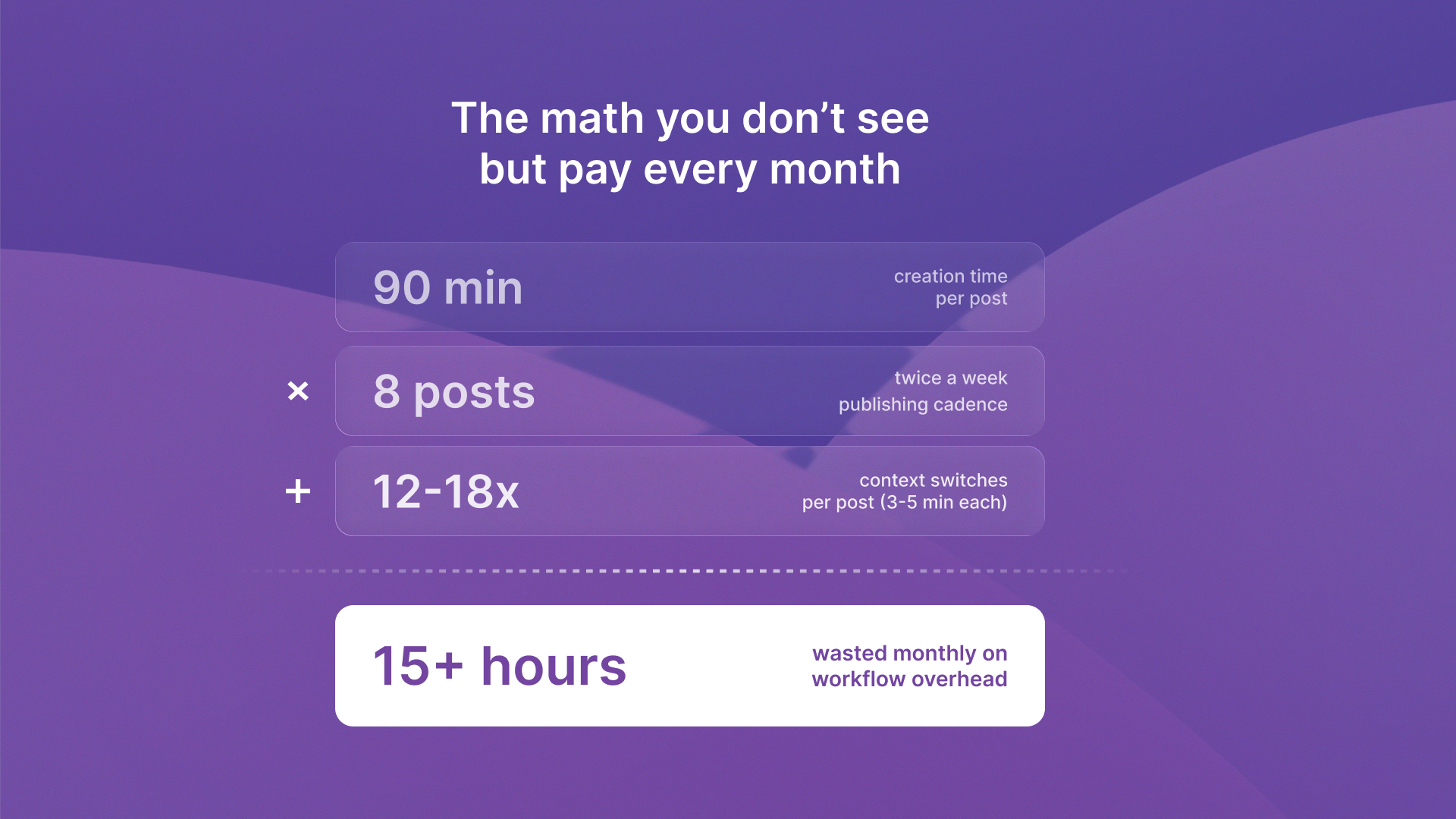
The fragmented workflow creates unsustainable operational overhead. Each post requires opening many browser tabs, exporting and downloading files, and re-uploading content. It also requires switching between platforms. The perceived effort isn't about the creative work itself. It's about the tool-switching friction that surrounds it.
Teams that work with a content strategy consultant often identify workflow architecture as the primary barrier to posting consistency, not ideation or creative capacity. The same pattern appears across marketing functions: growth marketing platforms prioritize workflow consolidation because fragmented systems kill execution velocity regardless of strategy quality.
What happens without integration
Teams start strong. They commit to publishing document posts weekly. The first few go smoothly because motivation is high. Then the workflow friction accumulates. Missed exports. Wrong file formats. Scheduling conflicts because the calendar lives in a different tool. The consistency breaks down.
It doesn't happen because the content strategy was wrong. It happens because the operational architecture couldn't support it. The motivation was there. The execution infrastructure wasn't.
The solution is architectural
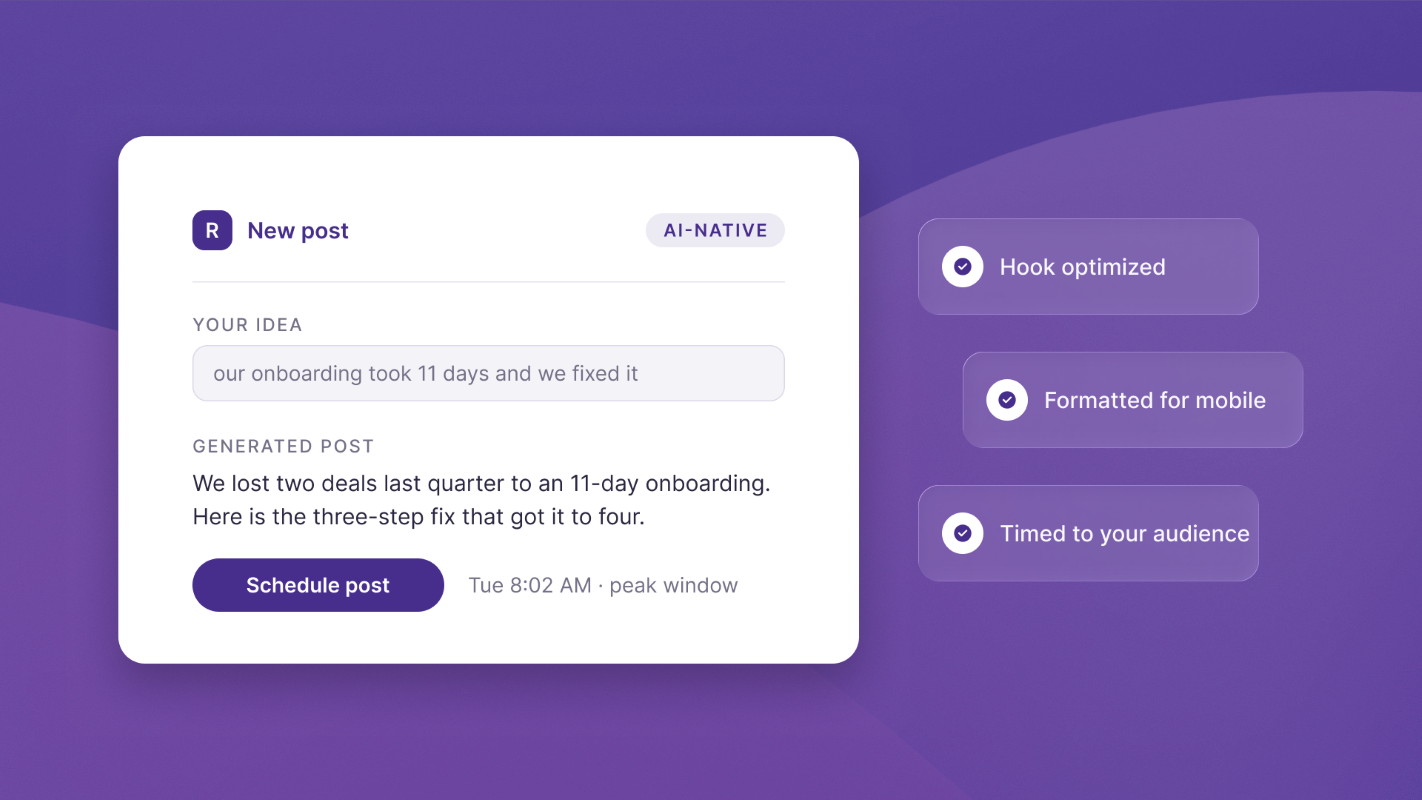
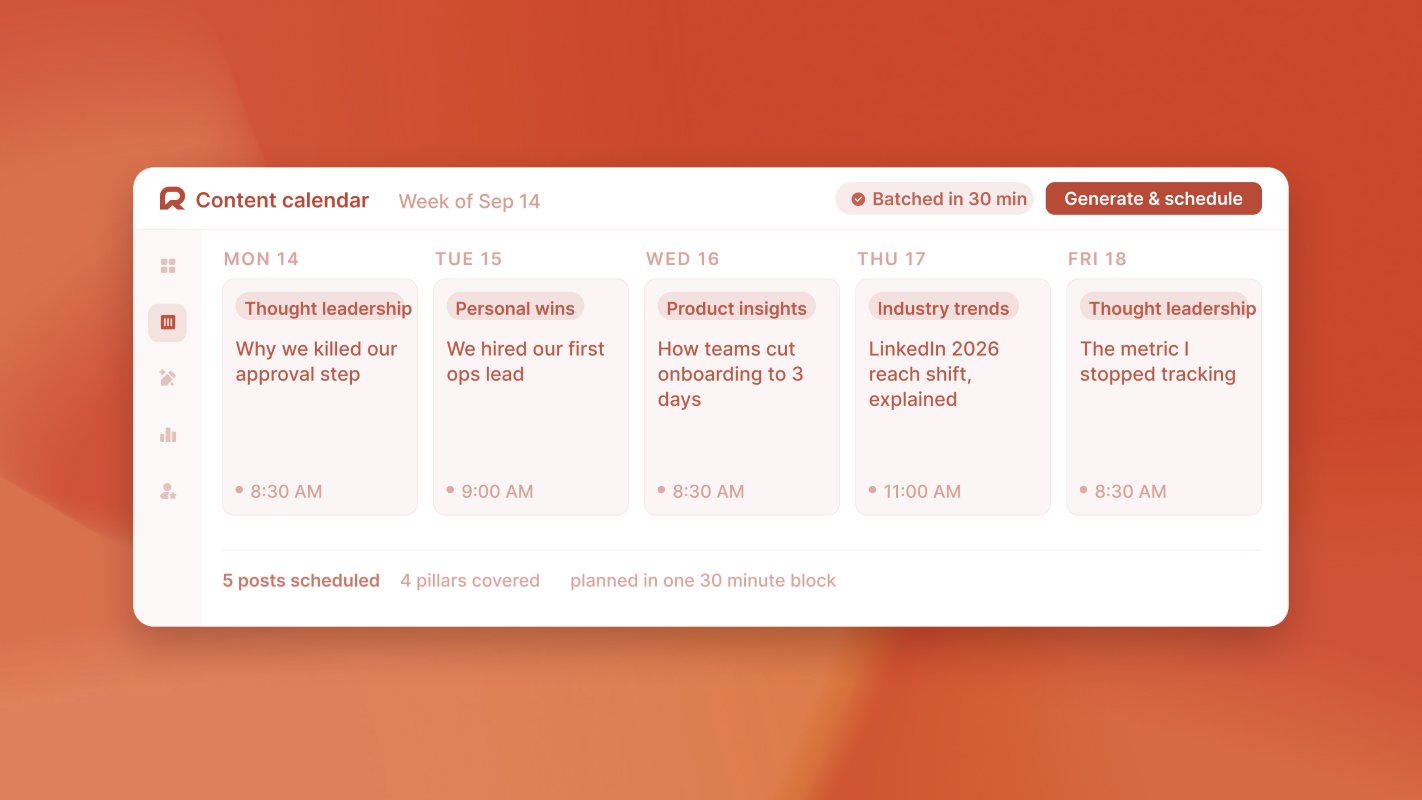
Integrated workflow platforms combine content planning, slide creation, and LinkedIn scheduling in one place. They remove context switching that makes document posts feel labor intensive. When document post creation exists within the same tool as scheduling and planning, the perceived effort drops significantly. The same document post took about 45 minutes in a fragmented workflow. In an integrated workflow, it takes about 15 minutes.
Platforms like ReachSocial help professionals organize daily LinkedIn campaigns and track performance without juggling multiple disconnected tools. The operational benefit isn't just speed, it's sustainability. Teams that eliminate workflow fragmentation maintain posting consistency over months, not weeks.
Design integration matters
The design component matters too. Services like creative-as-a-service handle the visual production of LinkedIn carousels without requiring in-house design expertise. When graphic design for marketing uses a subscription model, teams can request carousel designs. They can add these requests to their regular queue. They no longer need to treat each document post as a one-off project.
Maintaining consistent brand assets becomes easier when your workflow supports template reuse and visual consistency across posts. When design work is part of the same system for planning and sharing content, it stops being a bottleneck.
How to build a sustainable document post workflow
Audit your current content workflow and identify where tool fragmentation creates friction. Count the number of tools required to publish one document post from concept to scheduled publication. If the answer is more than two, you're creating unnecessary operational overhead.
Choose a platform that handles content planning, slide creation, and LinkedIn scheduling in one interface. The goal isn't to find the tool with the most features. It's to find the tool that eliminates the most context-switching.
Start with one document post per week for four weeks. Track the time required for each post. If the time isn't decreasing week over week, the workflow architecture is wrong. The right system should get faster with repetition, not slower.
Document posts aren't optional anymore
The 3.7x engagement multiplier makes LinkedIn document posts table stakes for serious LinkedIn presence. They are not advanced tactics for special occasions. The professionals winning on LinkedIn aren't the ones with better creative ideas. They're the ones who built workflows that make high-performing LinkedIn post formats operationally sustainable.
The barrier isn't creative skill. It's workflow architecture. Fix the architecture, and the consistency follows.
Ready to multiply your LinkedIn engagement? Start by auditing your current workflow and identifying which tools are creating friction in your document post process.


.png)



%2520(14).png)
.png)
%2520(13).png)