Choosing an AI Social Media Manager for Founders

TL;DR
- Founders should choose an agentic AI social media manager for founders to automate the entire workflow from strategy to publication.
- Integrated systems eliminate the friction tax caused by manually moving data between writing bots and scheduling tools.
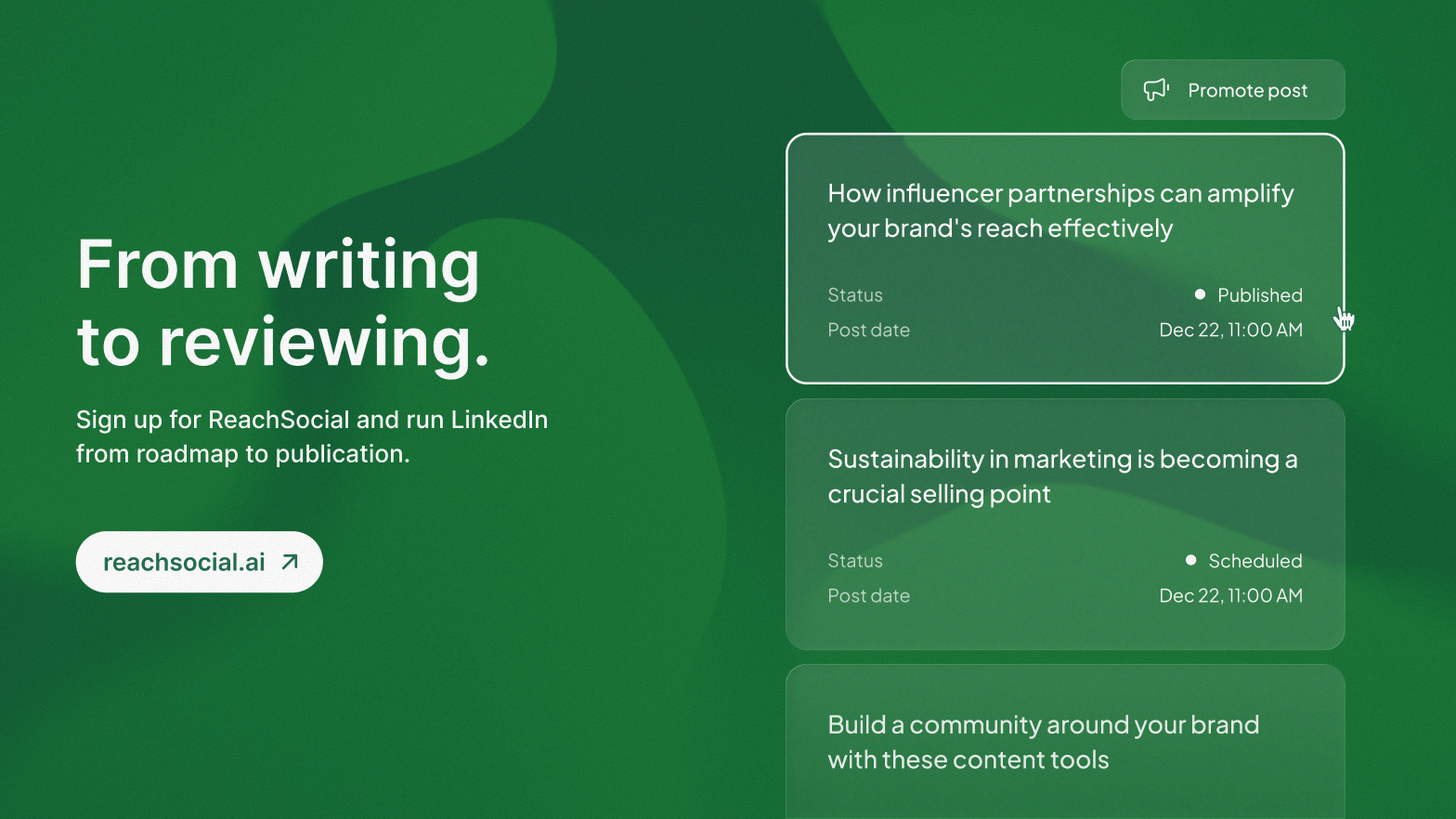
- A three-step framework moves the human role from writing to reviewing while maintaining strategic control over the brand.
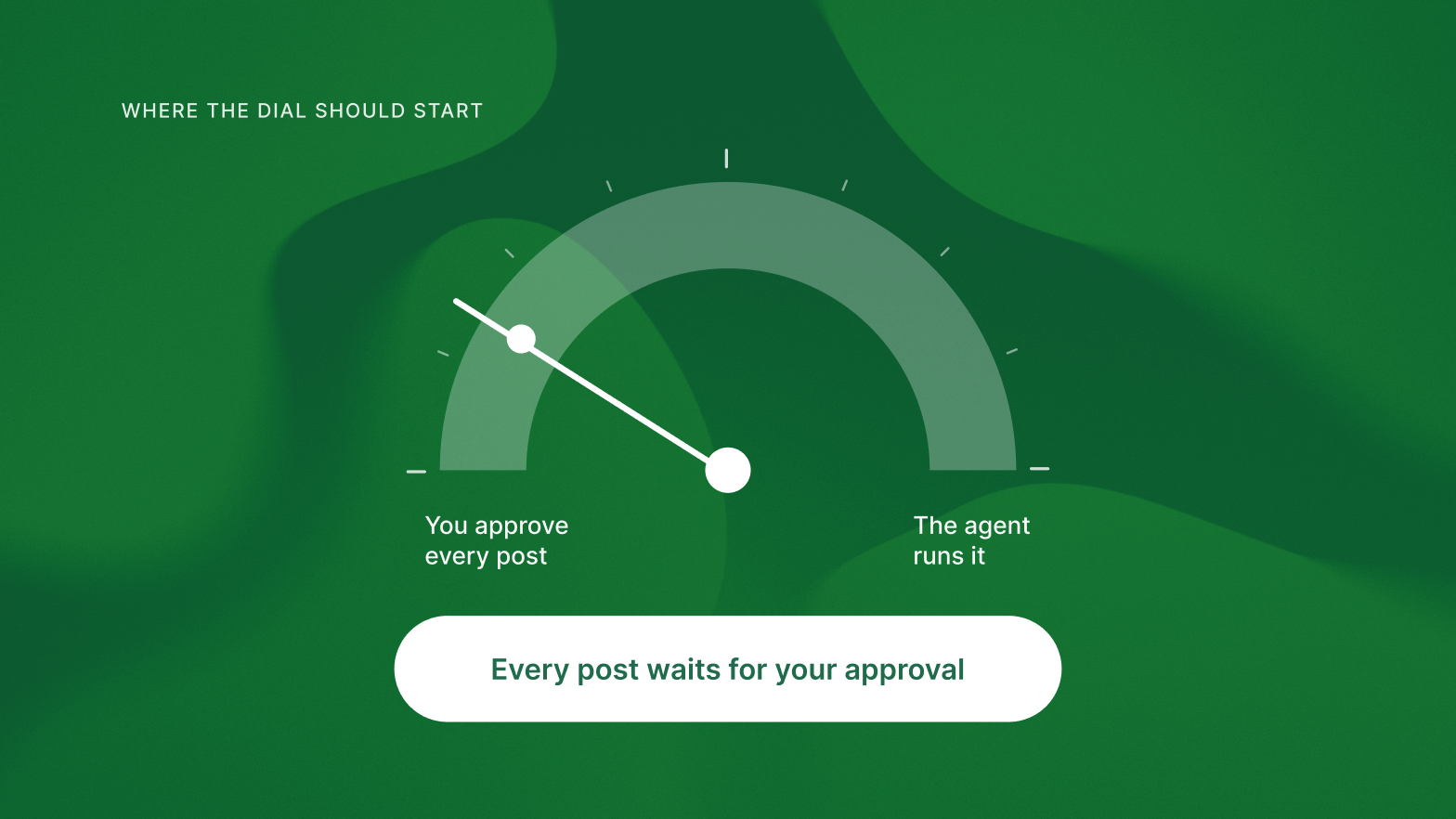
- Founders must start with a 100 percent manual approval requirement before increasing the autonomy of the digital worker.
- Effective tools provide natural language summaries of revenue and authority instead of tracking only vanity metrics.
Choosing a digital partner is no longer about finding a writing assistant. I have audited the workflows of high-growth operators and the data is clear: the transition from fragmented writing bots to unified agentic systems is the only way to scale. For founders juggling growth and visibility, deploying an integrated agentic AI social media manager for founders that manages a LinkedIn presence from roadmap to publication builds authority without increasing administrative headcount. This is the shift from basic generators to AI employees that handle the end-to-end execution of a C-suite brand.
The friction tax: why fragmented AI tools are a liability
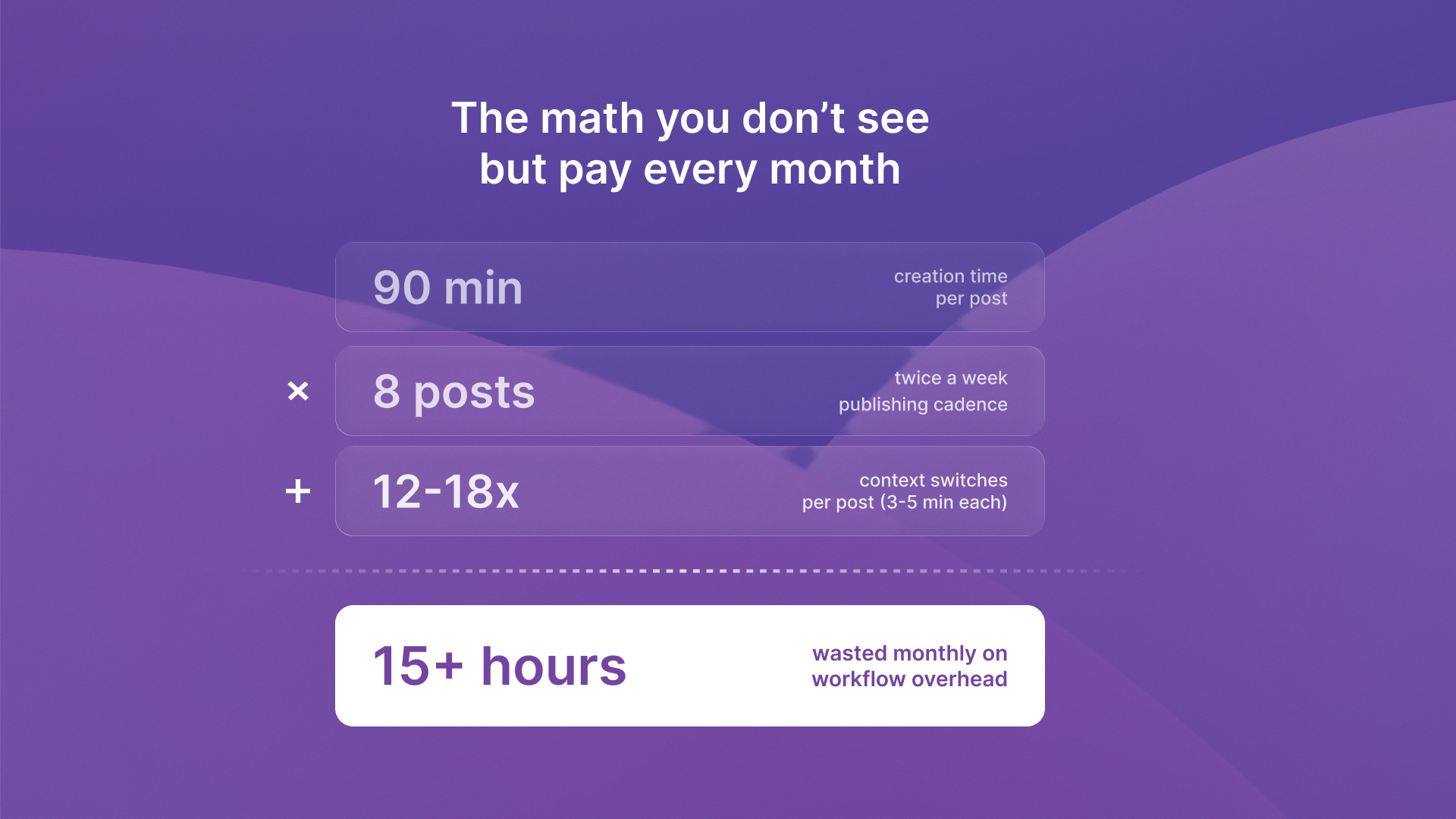
Virality is an operational leak, but the process used to achieve it is often a hidden drain on executive time. I have audited dozens of founder workflows and found a recurring pattern: the manual data movement trap. Moving a draft from ChatGPT to a Google Doc for editing, then into a scheduling tool like Buffer, is a friction tax that kills consistency. When a founder becomes the integration layer between disparate tools, they are acting as their own administrative assistant. This administrative debt is a system design failure.
Context switching is the primary enemy of compounding growth. For a busy operator, the bottleneck is rarely a lack of insights. It is the sheer volume of coordination required to turn those insights into live content. Fragmented workflows ensure that every post requires multiple context switches. This makes social media feel like a heavy burden rather than a simple system behavior. To build a sustainable brand, founders must move toward integrated LinkedIn workflows that eliminate the operational overhead of consistency.
Defining the AI social media manager for founders
Modern AI social media managers function as agentic digital workers rather than simple text generators. These systems allow founders to leverage AI for growth by automating repetitive tasks, potentially increasing efficiency enough to manage social and web tasks without additional hiring. Selecting a specialized personal branding AI tool can ensure your digital presence reflects your unique expertise while maintaining a high publishing frequency. The difference lies in the agent's ability to coordinate multi-step workflows, which is becoming the standard as we see an AI-driven shift in professional scope.
Capability comparison
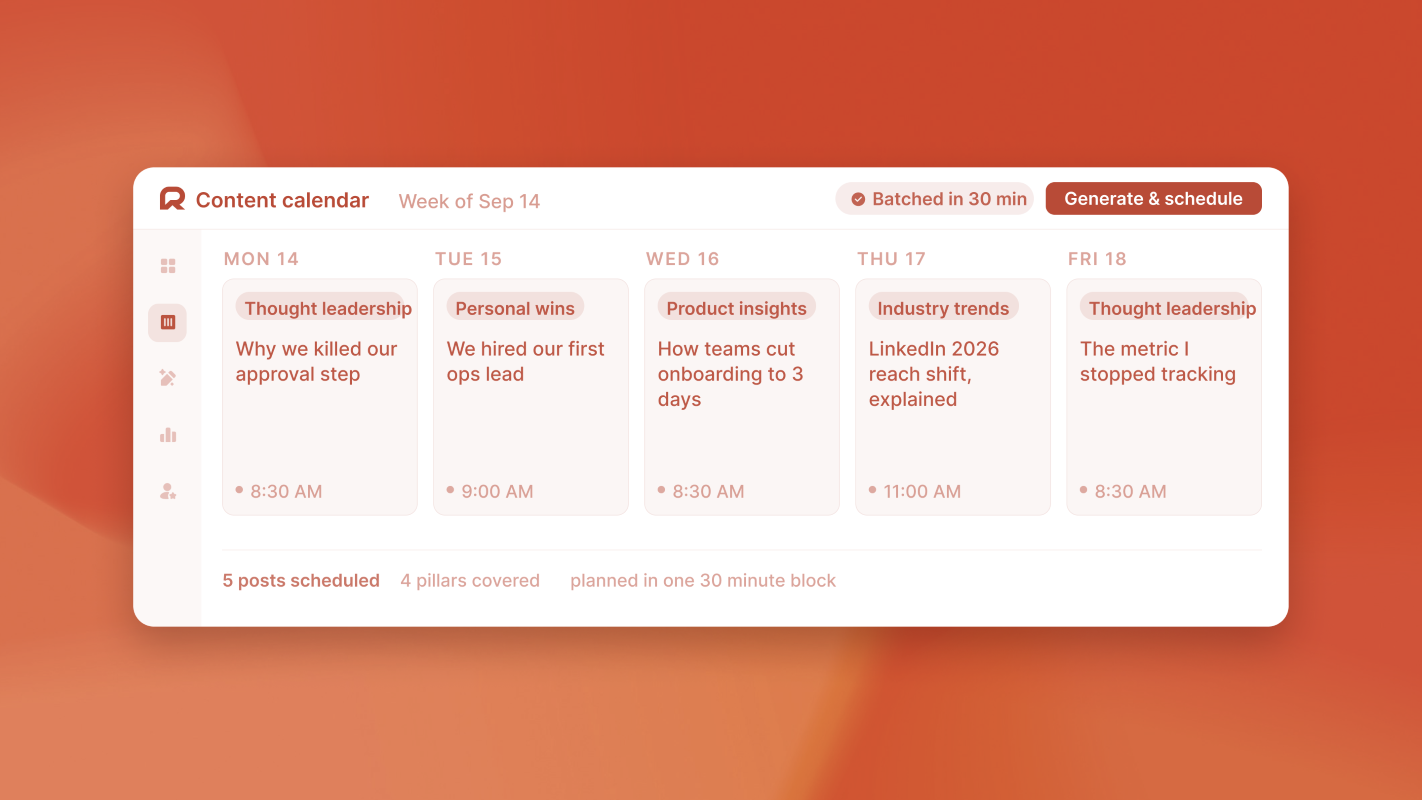
CapabilityAI generators (legacy)AI employees (agentic)PlanningRequires manual prompts for each ideaBuilds a full monthly content strategyDraftingWrites a single caption at a timeDrafts posts, visuals, and DM repliesSchedulingRequires manual upload to a third-party toolQueues and publishes directly via APIReportingNo feedback loopNatural-language business outcome summaries
How to grow LinkedIn following AI: the agentic framework
Transitioning to an agentic workflow moves the human role from writing to reviewing. To operationalize this without risking brand damage, founders should follow a three-step framework using integrated solutions for founders. Adopting LinkedIn automation for founders allows you to maintain strategic control while the software handles the heavy lifting.
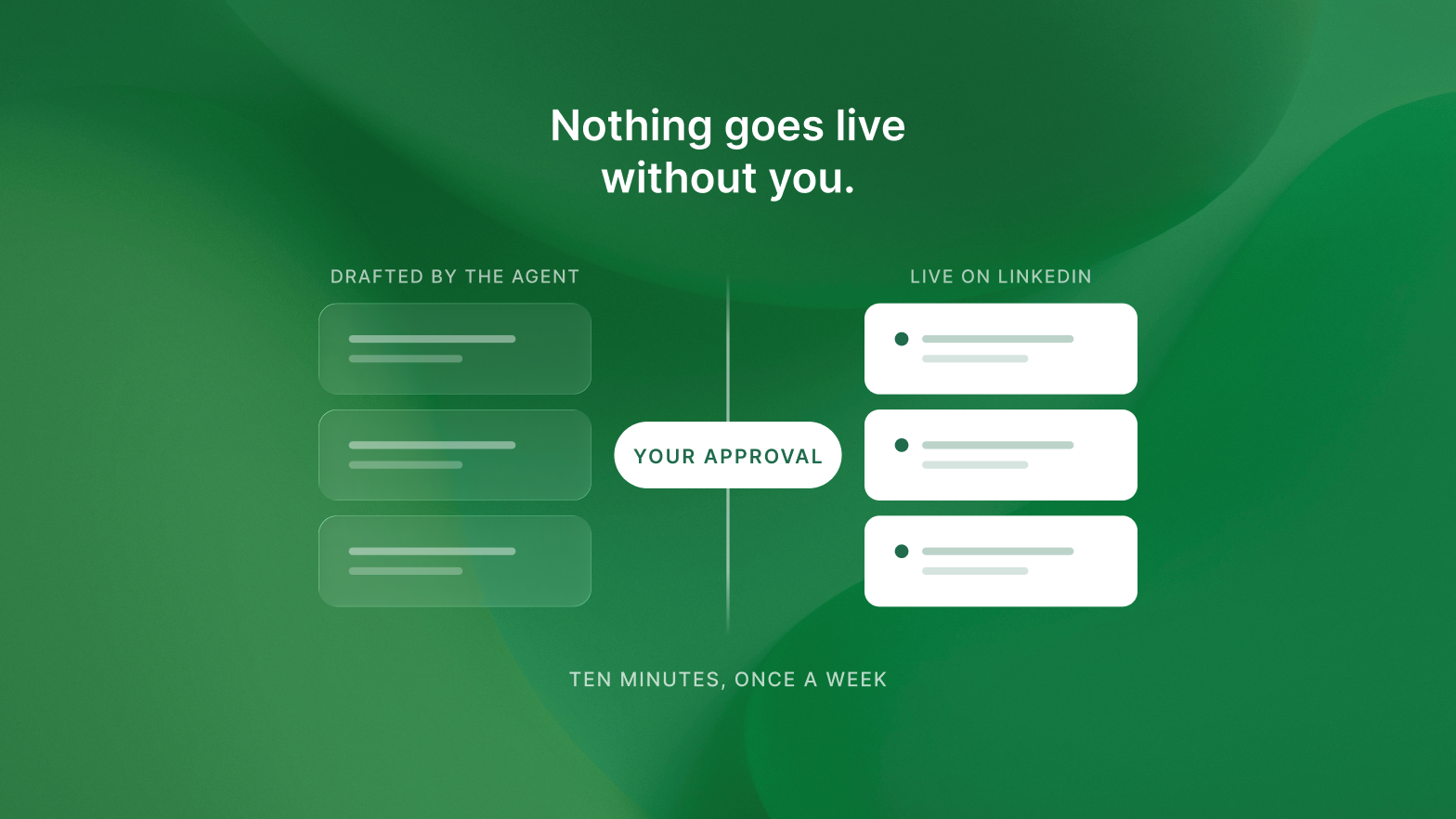
- Establish centralized approval workflows: Fully autonomous management is a brand liability. Advanced agents like those found in an integrated LinkedIn operating system require human oversight. You keep the strategy tight early and loosen the autonomy dial only as the agent earns trust.
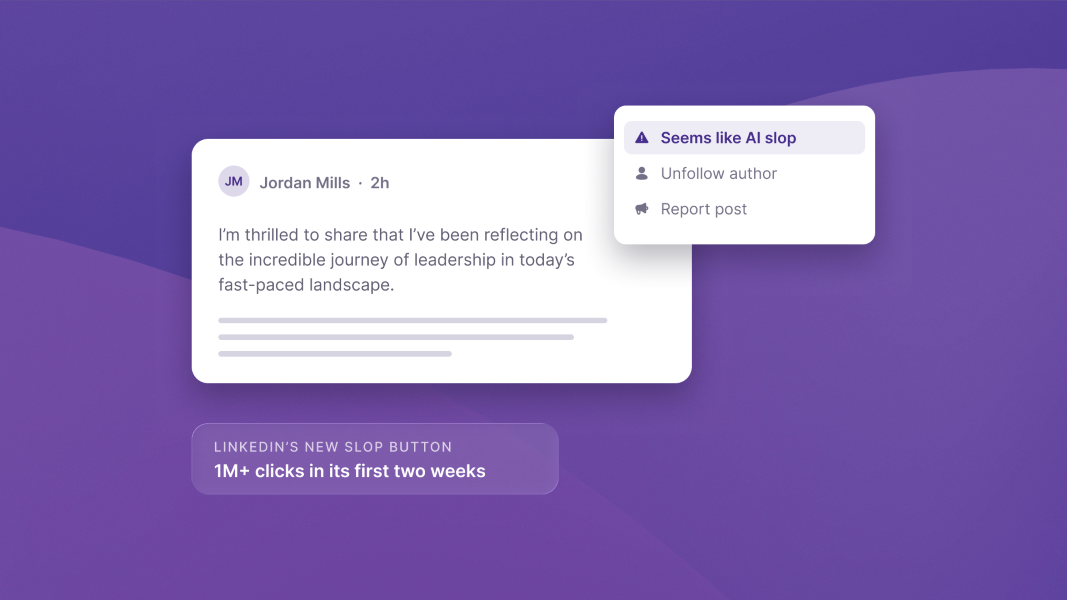
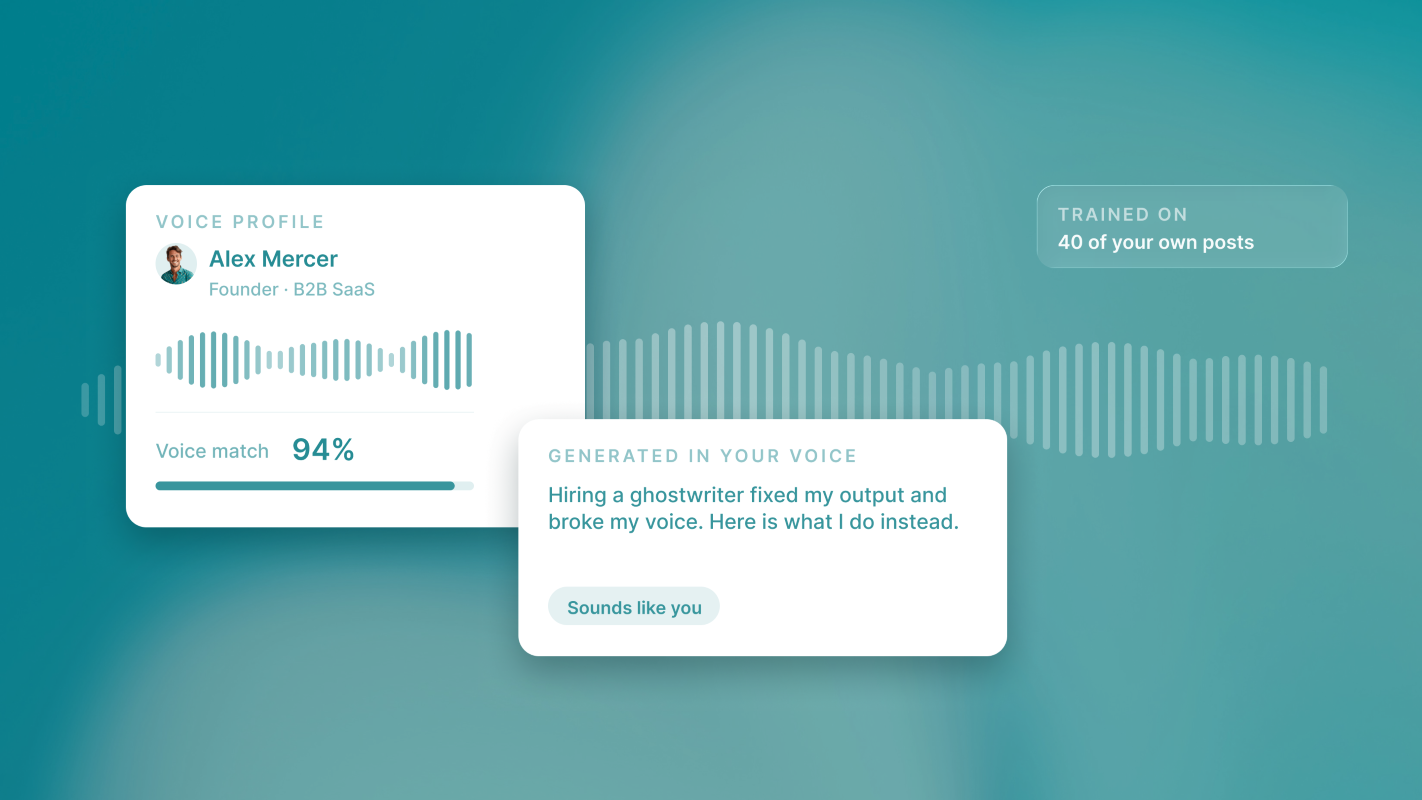
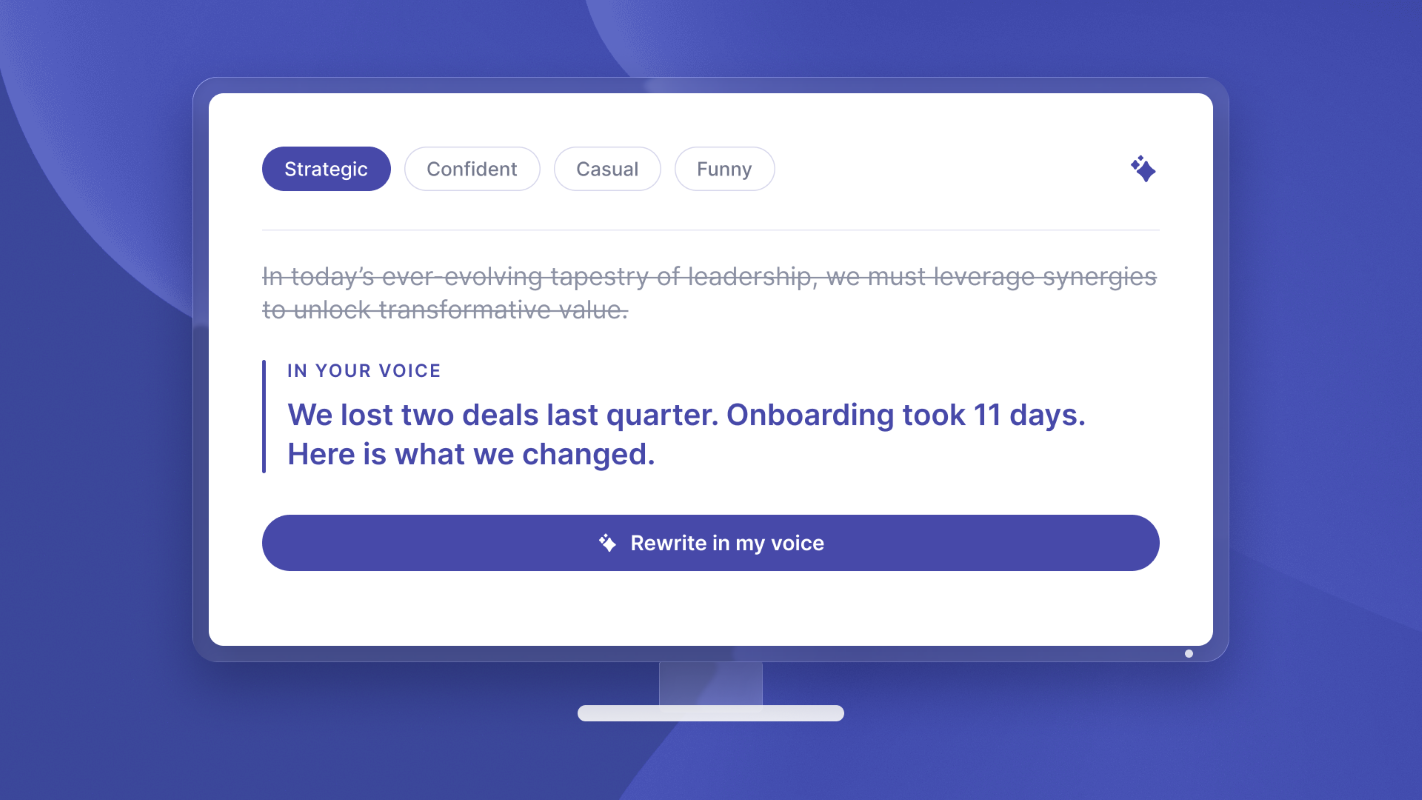
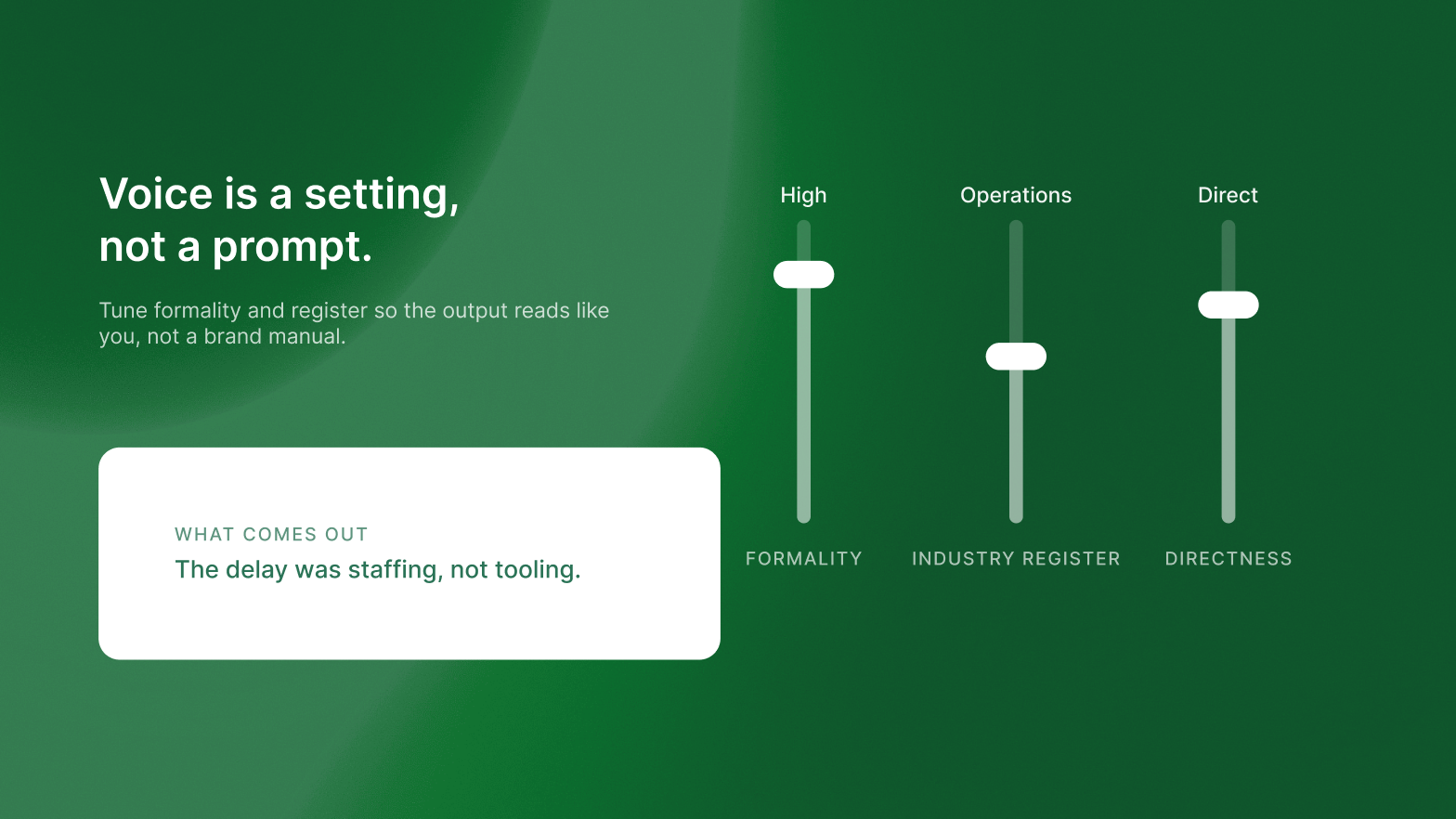
- Configure voice controllability levers: Avoid generic AI-generated noise that dilutes authority. Use tools that allow you to tune for professional formality and specific industry registers to ensure the output mirrors your unique executive voice, moving beyond generic prompting.
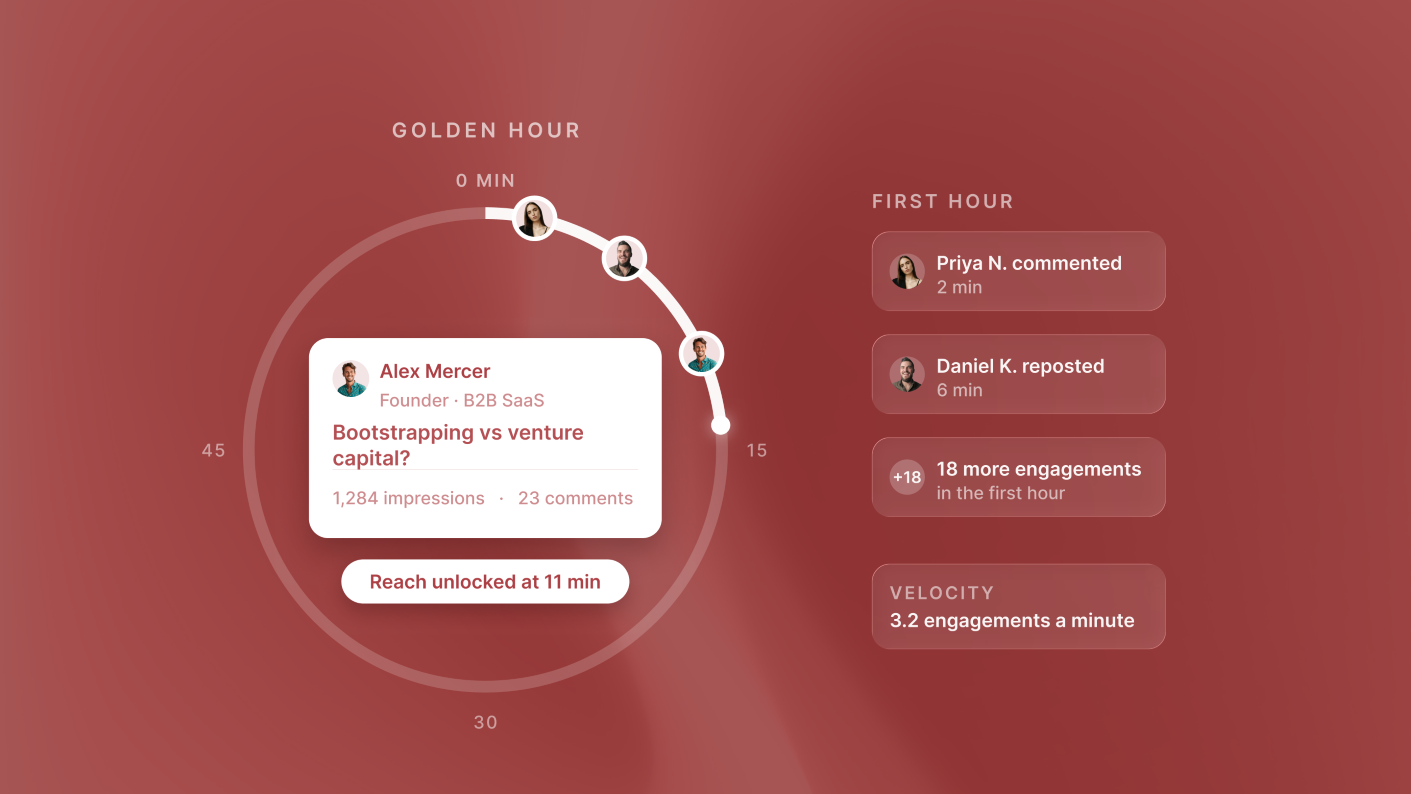
- Review natural-language outcome reporting: Instead of chasing vanity likes, use agents that provide summaries of revenue and semantic authority. This allows you to treat social media as a compounding asset rather than a dopamine machine.
What to do next
- Audit your current stack: Identify how many times you manually copy-paste text between tools like ChatGPT, Docs, and your scheduler.
- Calculate your friction tax: Estimate the hours lost each month to administrative coordination versus strategic creative direction.
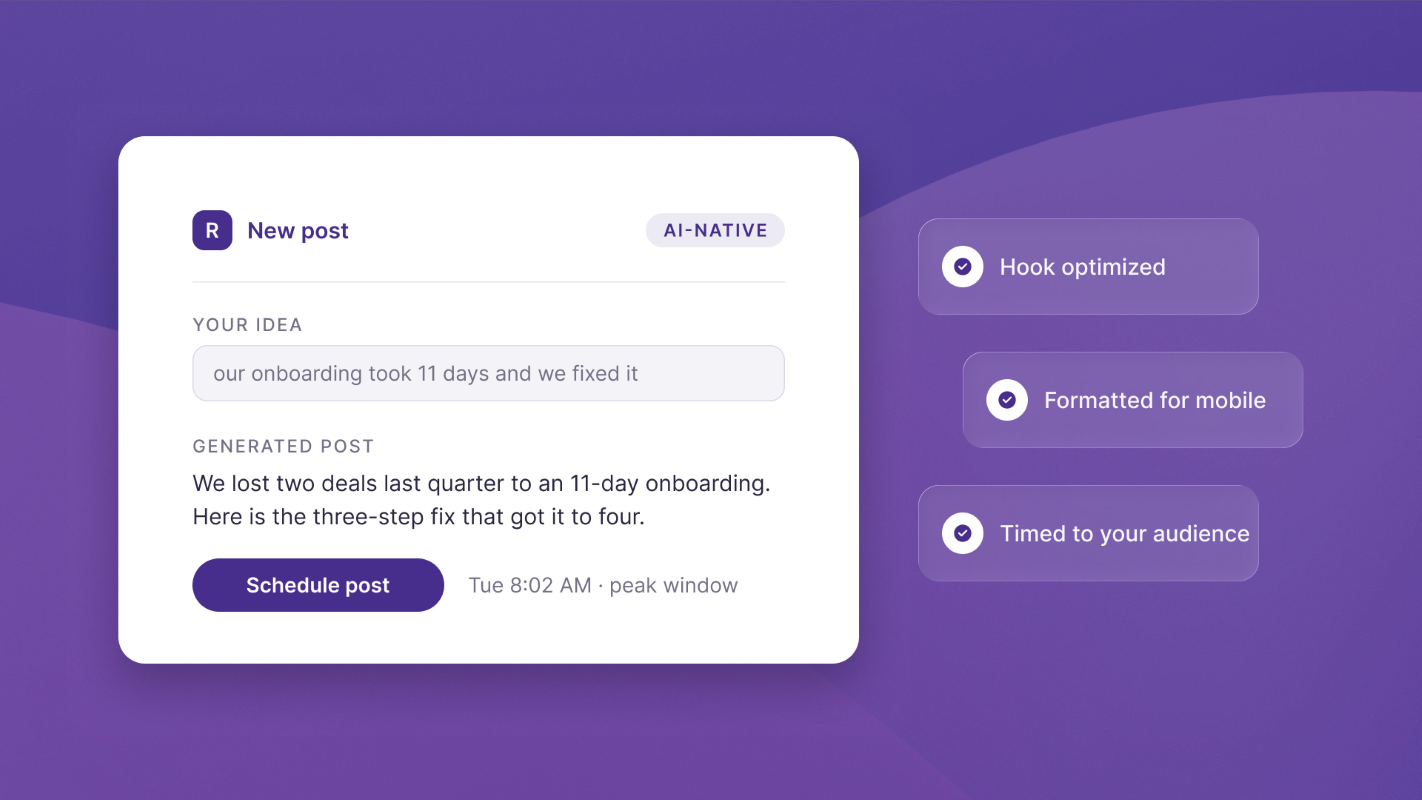
- Test an agentic system: Move from a prompt-based writing tool to an agentic LinkedIn platform that handles the entire pipeline from strategy to publication. Many of these platforms allow you to schedule LinkedIn posts AI to ensure your content goes live at peak engagement times.
- Set your autonomy dial: Start with a 100% manual approval requirement for all posts and replies before automating specific distribution tasks.
Ready to scale your authority with an agentic workflow? Sign up for ReachSocial today.