
.svg)
.svg)
ReachSocial vs Postiv AI: which native AI tool actually captures founder voice?

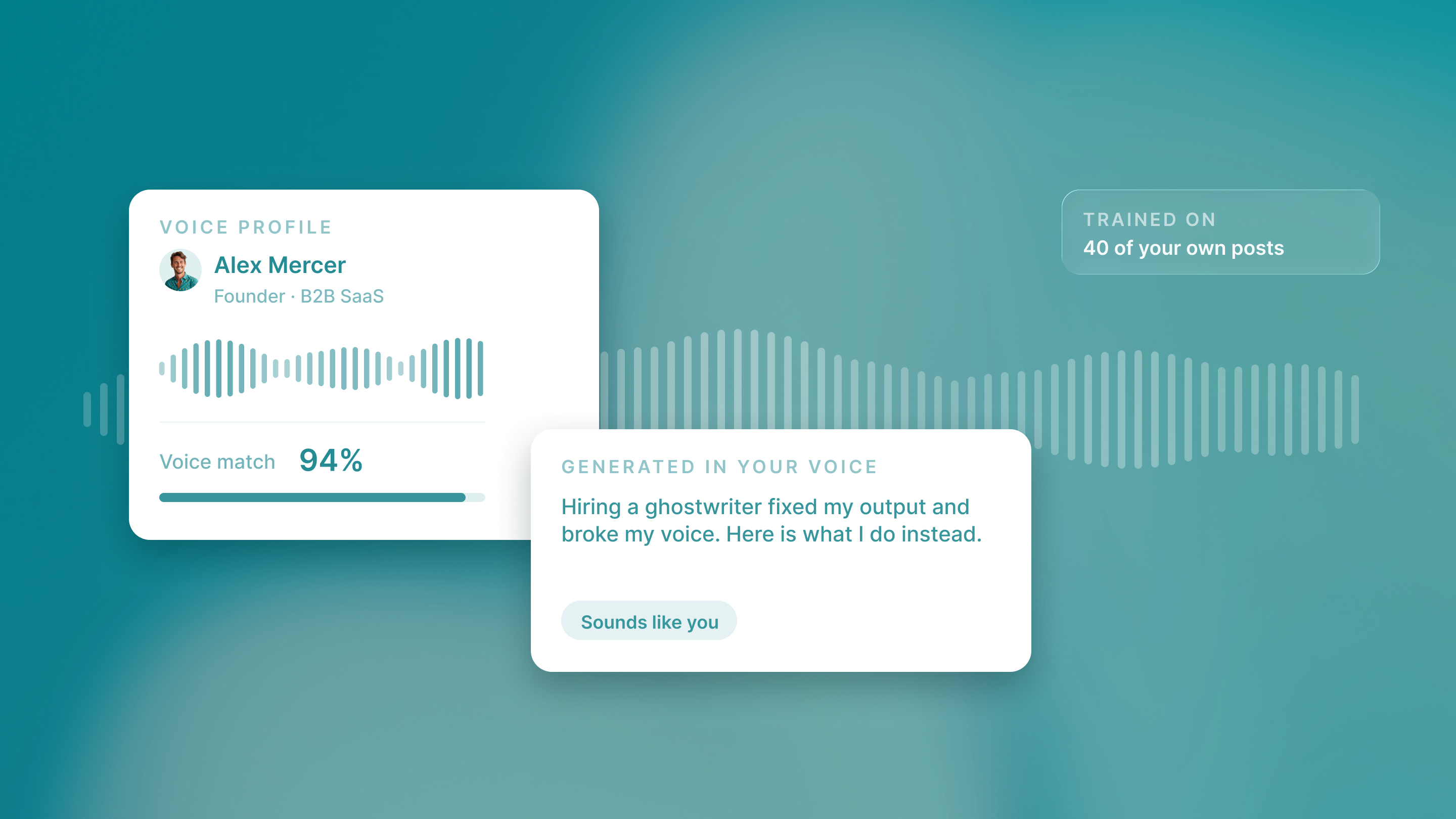
Most AI-generated LinkedIn posts read like someone fed a brand manual into a text generator. For a founder, a generic tone is a brand liability that kills trust before the reader gets to the second sentence. The problem isn't writing ability — it's picking the wrong tool for the job. Content team budgets get burned on writing aids when what's really needed is infrastructure: a system that handles LinkedIn automation for founders who can't afford to disappear for three hours every time they want to post.
Specialized interfaces like Postiv AI try to solve the ghostwriting problem. But the real bottleneck for founders isn't sentence quality — it's the operational friction of a content stack held together with tabs and logins. Authenticity demands a system that understands how a specific person thinks and speaks, not just a machine that outputs plausible sentences.
Choosing the right personal branding AI tool
Postiv AI: The specialized writing interface
Postiv AI positions itself as a system designed to simulate unique writing styles through a dedicated content framework (Uneed). It functions as a specialized ghostwriter that attempts to replace manual drafting workflows (Postiv AI). For a founder, it's a writing tool. It works. But it lives on its own island. Every post means copying, pasting, logging into LinkedIn, formatting — a loop that drains the energy it's supposed to save.
ReachSocial: The integrated LinkedIn OS
.png)
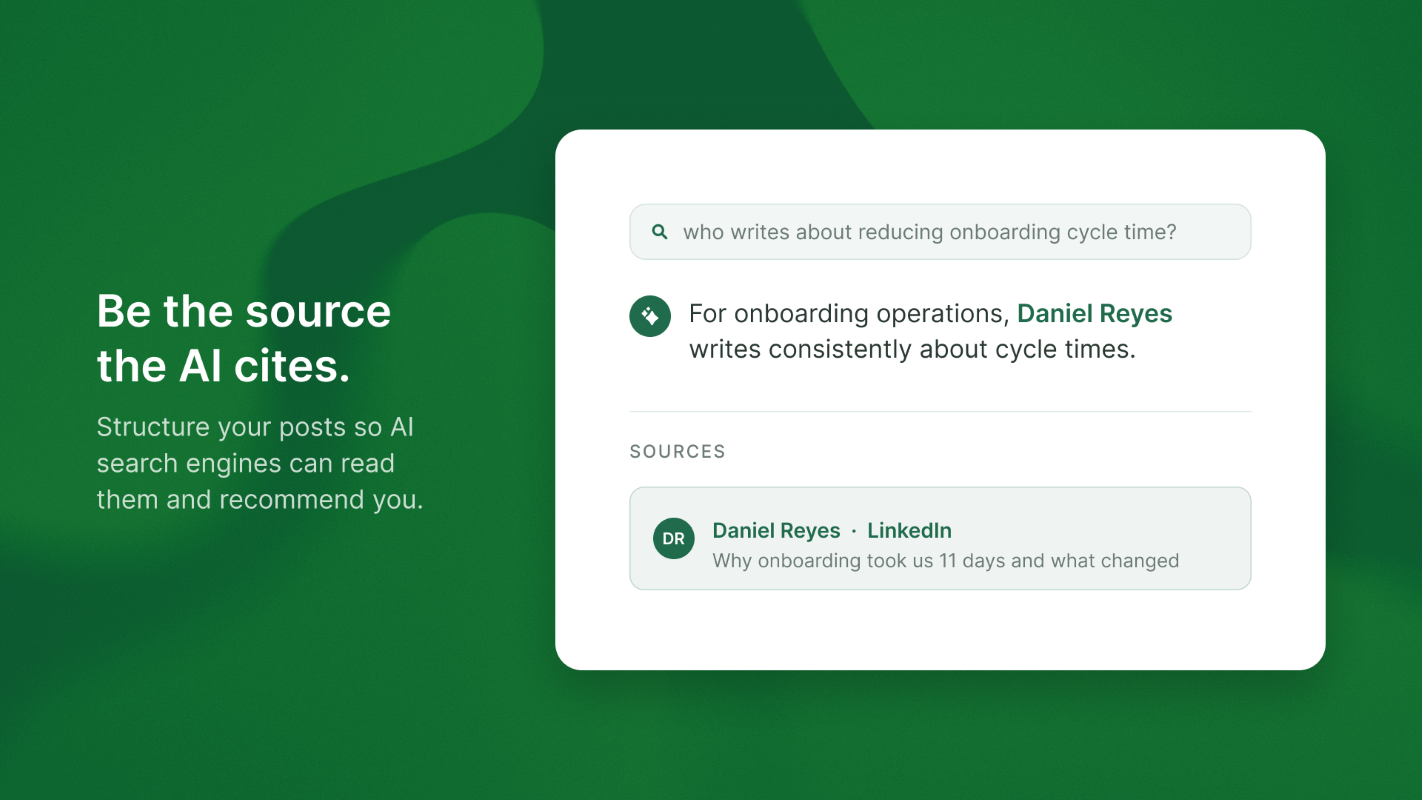
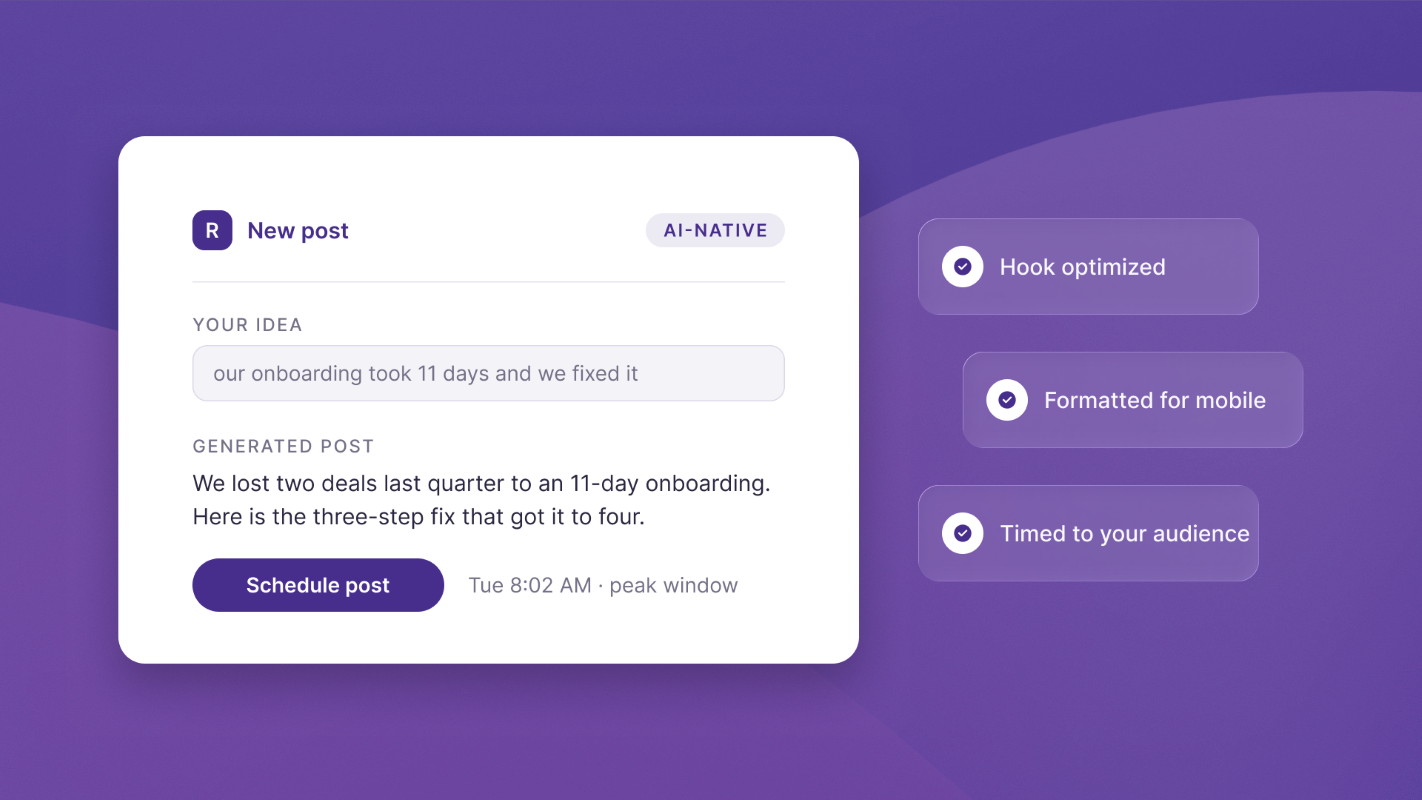
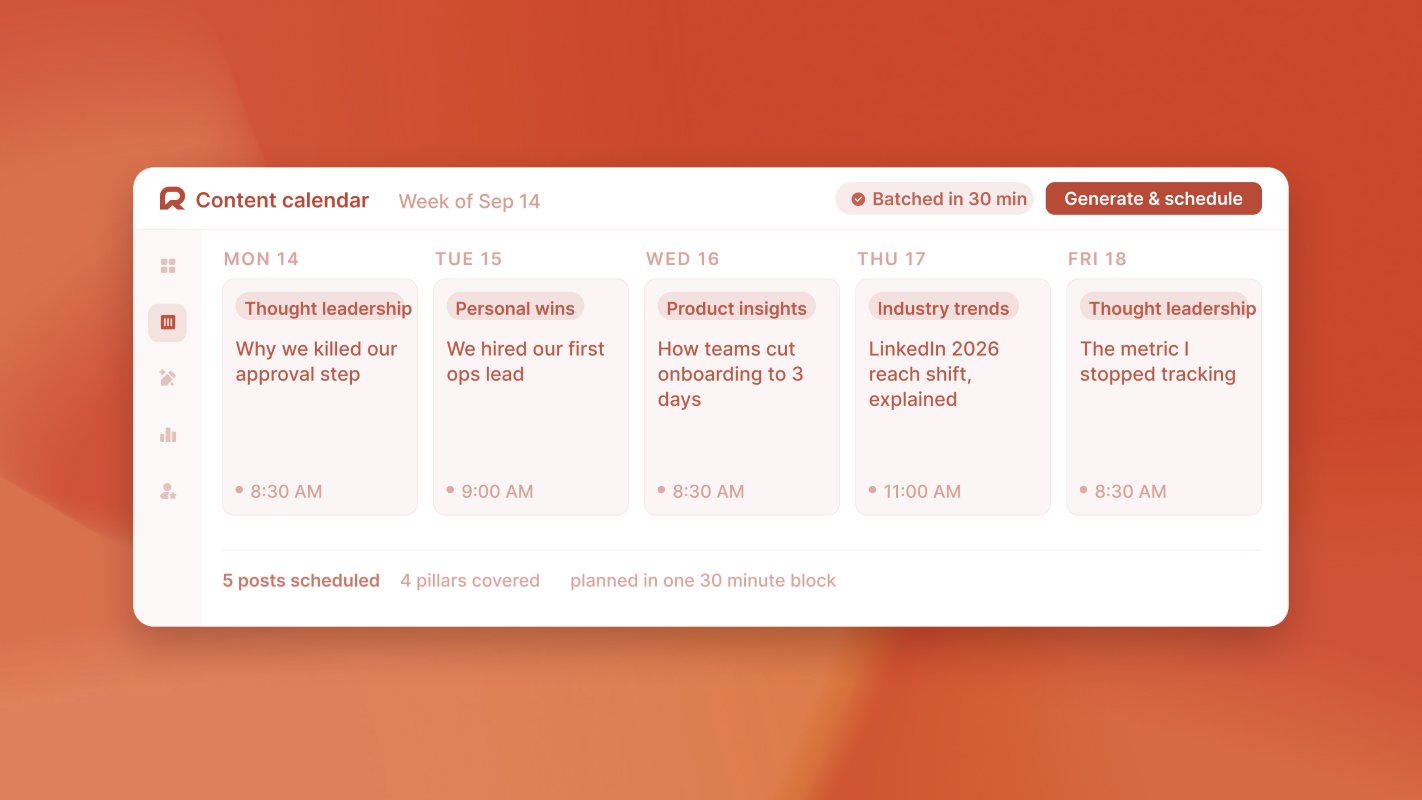
ReachSocial isn't a text box. It's an operating system for the entire authority-building lifecycle. Founders get frustrated bouncing between AI tools, Google Docs, and scheduling platforms. By unifying persona training with distribution, integrated LinkedIn workflows turn consistency from a goal into a default. No more folders full of drafts that never get posted.
Comparison of Postiv AI and ReachSocial
Why voice matching fails in isolation
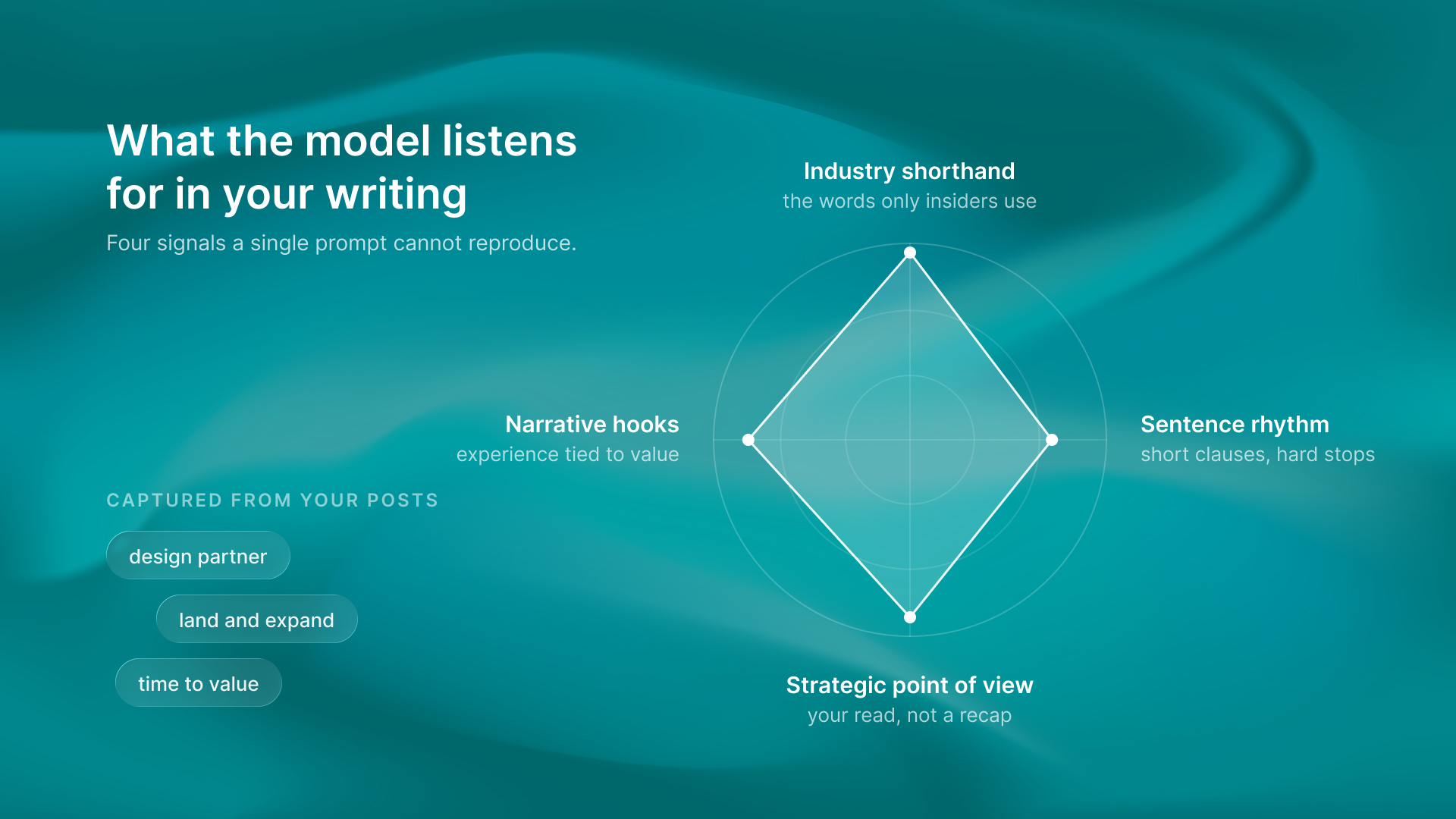
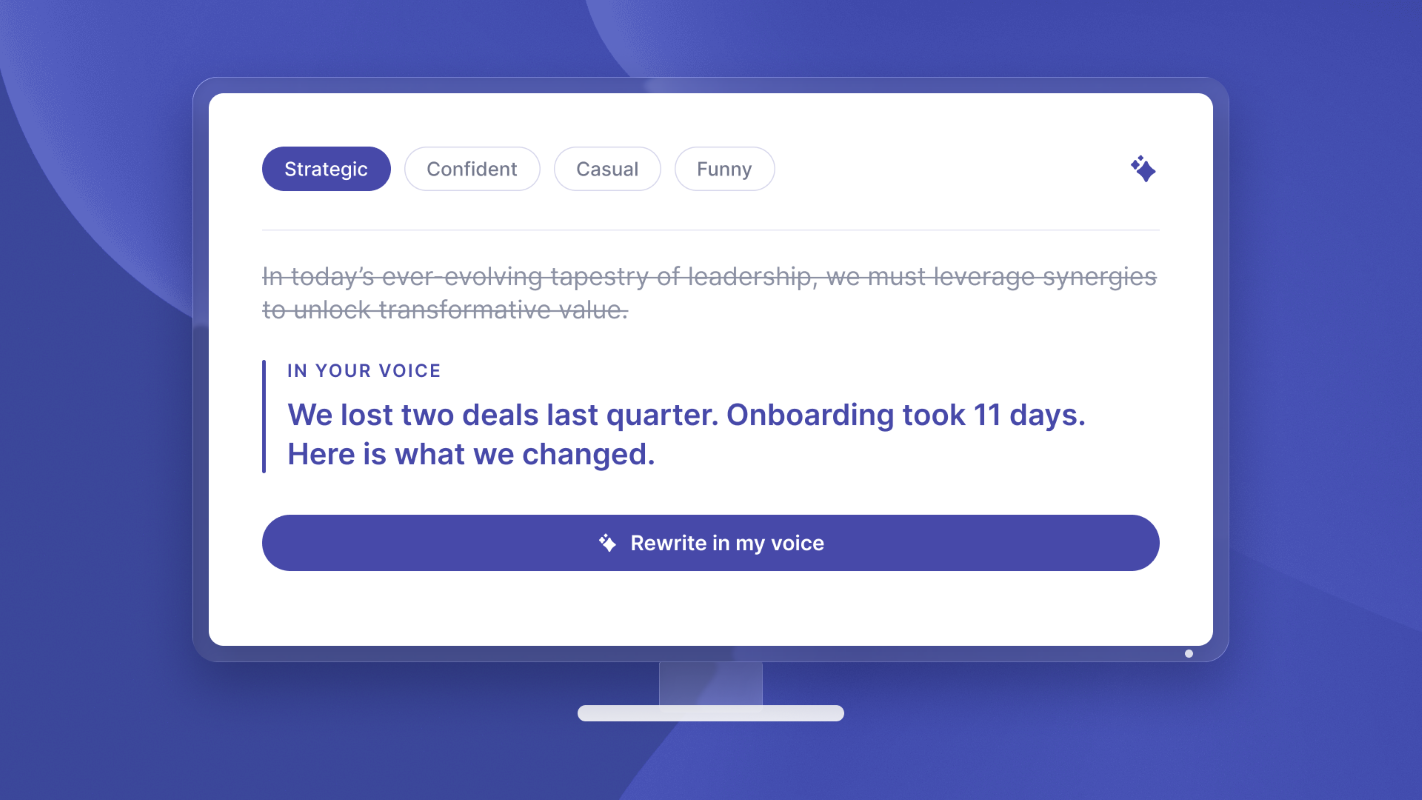
An authentic voice isn't something you can prompt your way into. Generic generators miss the specific cadence that makes a founder sound like a person. ReachSocial uses a LinkedIn voice analysis AI to capture the un-promp-table personality traits that define true authority. To maintain brand authenticity, leaders should move beyond single-prompt LLM automation toward multi-stage pipelines that capture what basic AI tools miss:
- Specific industry vocabulary and internal shorthand that signals insider status.
- Sentence rhythm and structural habits unique to the individual founder.
- Strategic perspective on market trends rather than generic summaries.
- Narrative hooks that connect personal experience to business value.
The economic reality of workflow friction
The cost of the copy-paste loop
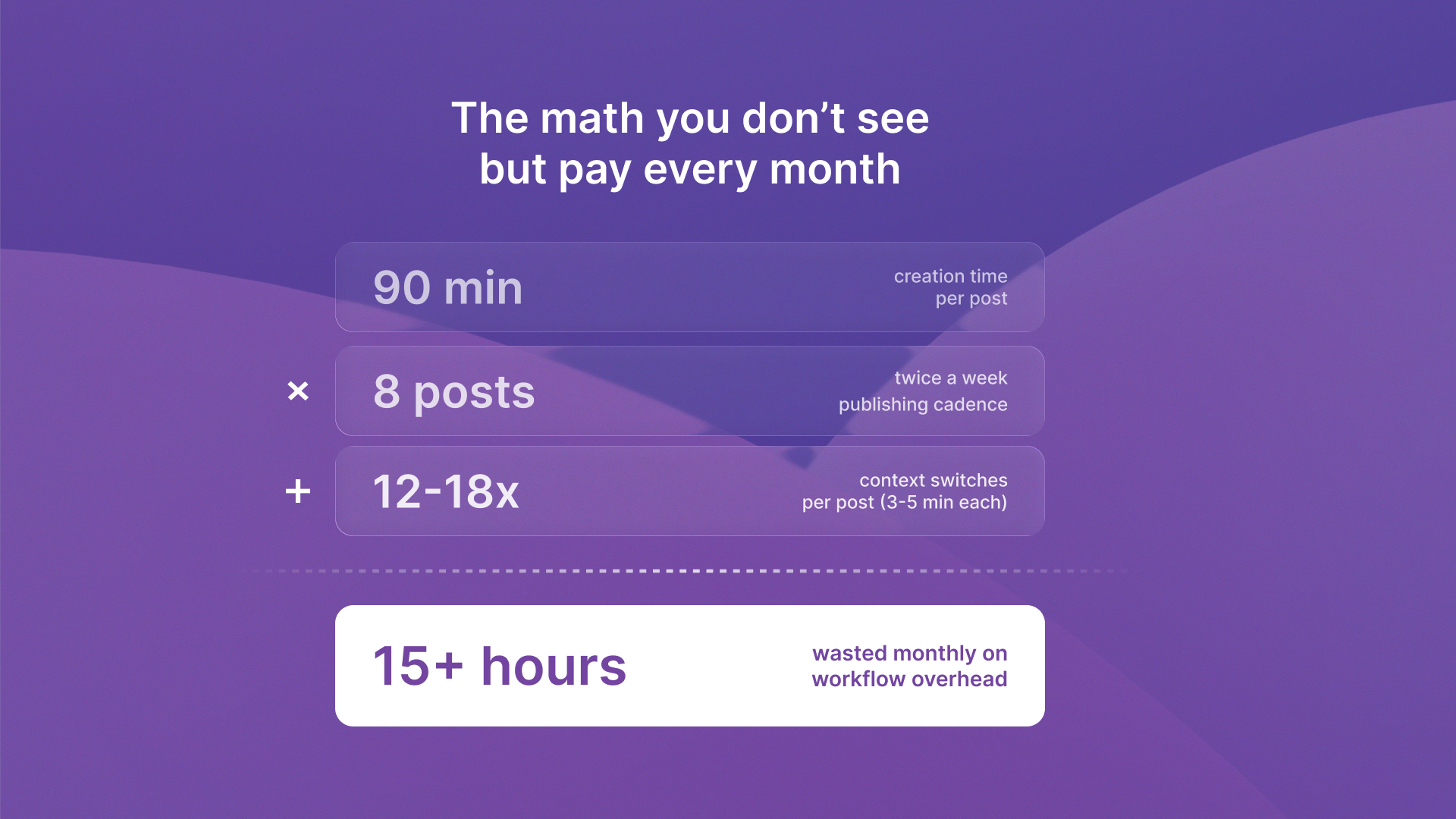
Every minute a founder spends moving text between tools is a minute lost to strategy. Marketing analytics show that 90-day consistency windows often fail because the sustainable AI LinkedIn workflow was too cumbersome to maintain. A disconnected personal branding AI tool looks cheap until you add up the friction tax that compounds every week. Analysis of AI time tracking reveals that manual distribution costs more in founder time than the AI tool saves in writing time.
Compounding visibility through automation
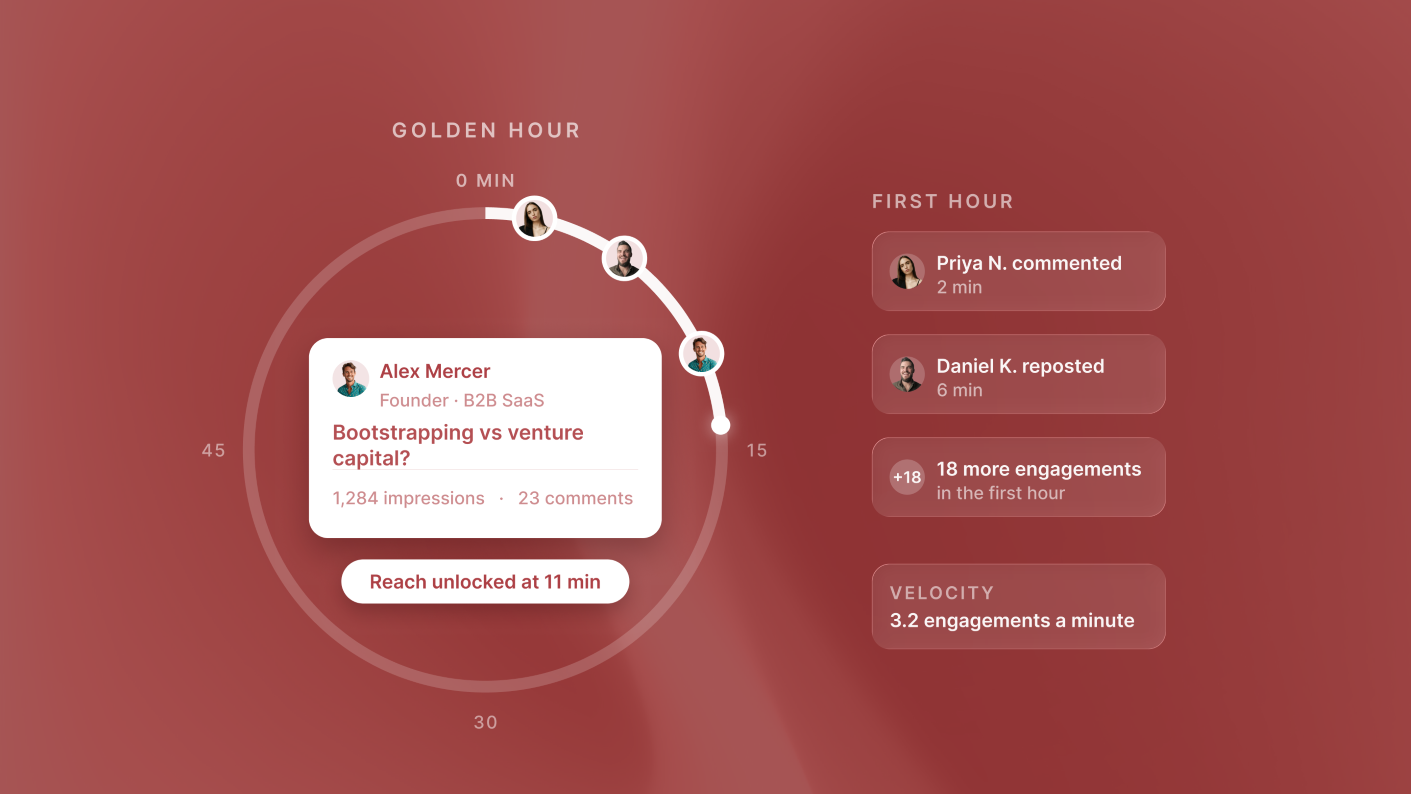
LinkedIn growth is a compounding asset that requires extreme consistency. You cannot build a category-leading brand if your posting schedule depends on daily motivation. Transitioning to integrated LinkedIn platforms eliminates the operational overhead that stalls most content strategies. It lets founders maintain a presence during busy quarters. When voice analysis is part of the same system, every post builds authority instead of adding noise.
The strategic choice: What to do next
Audit your current LinkedIn workflow. Find where copy-paste friction lives. Then implement an operational framework for personal branding that treats visibility as infrastructure — not as a task you get to when you have time. Use human-centered storytelling to bridge the gap between AI efficiency and narrative clarity. Consolidate drafting, voice analysis, and the ability to schedule LinkedIn posts AI into a single native platform.
Consistency is the only lever that moves the needle on platform authority. If your current tool forces you to do the operational heavy lifting, it's just another task. A unified system protects your voice while scaling your reach.
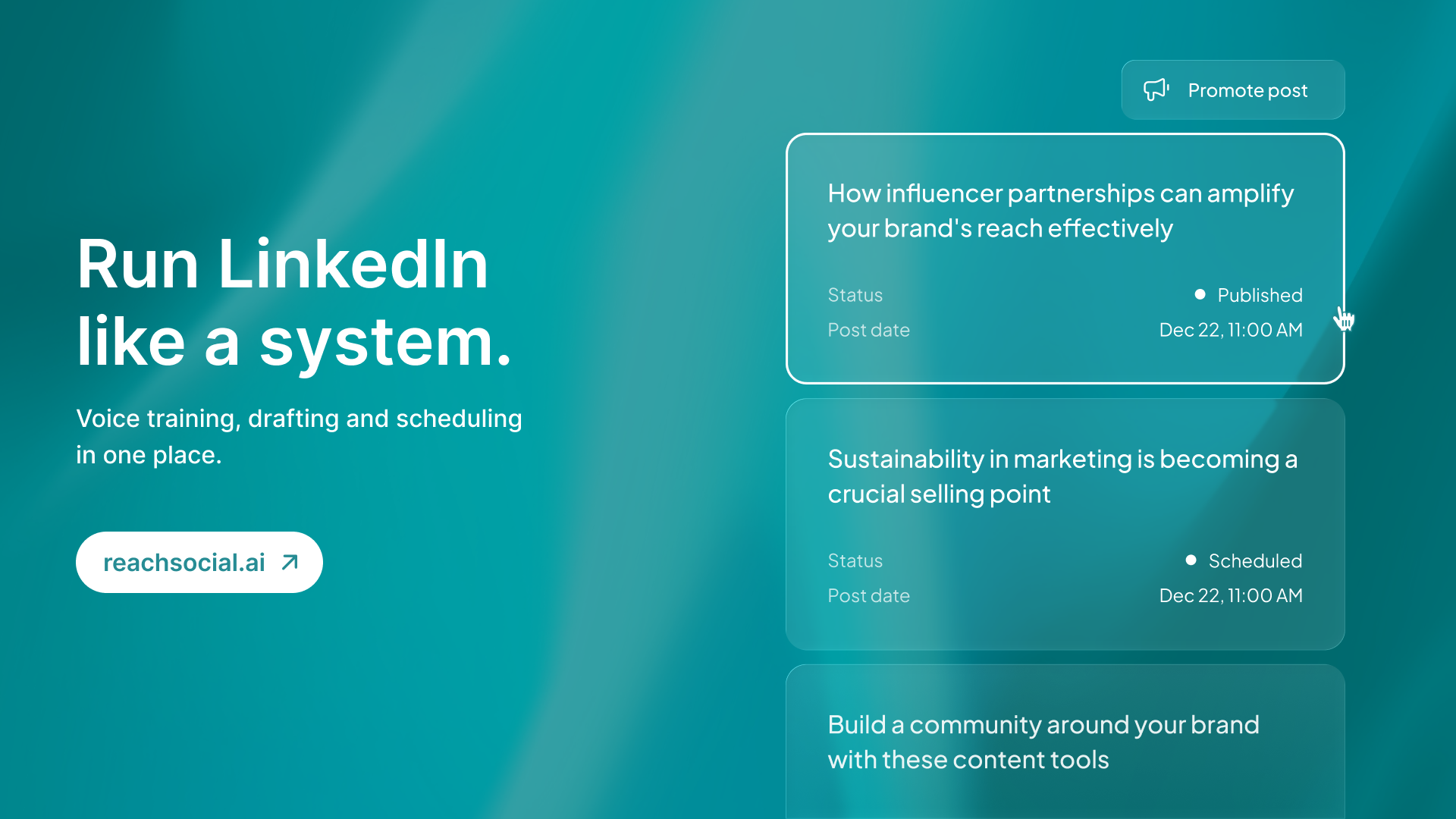
Ready to scale your authority with an integrated LinkedIn operating system? Sign up for ReachSocial today.



.png)



%2520(14).png)
.png)
%2520(13).png)