
.svg)
.svg)
Optimizing for AI-Driven Discovery: Adapting Social Content for the New Search Paradigms

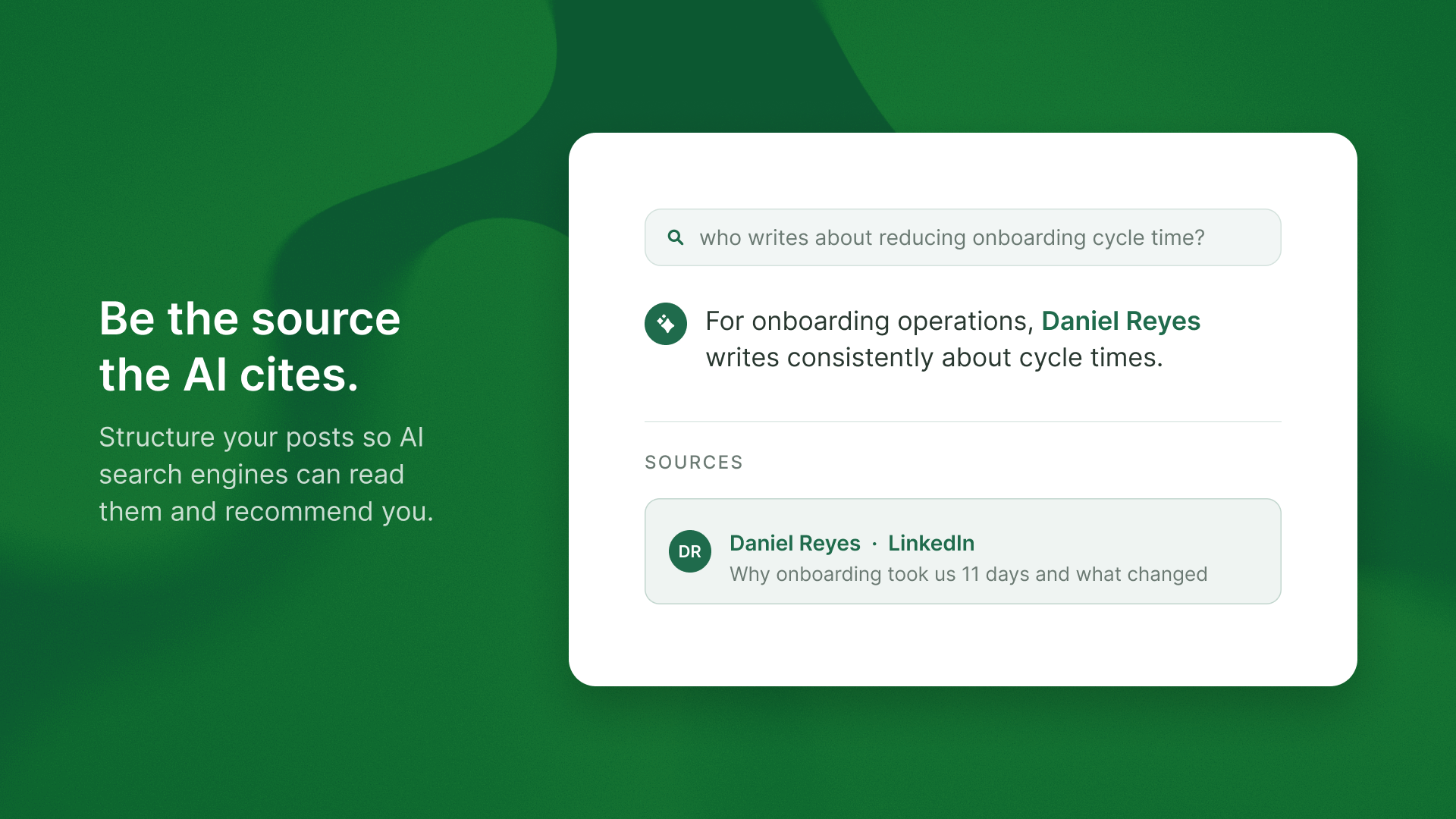
Two hours writing a LinkedIn post. Good engagement from your network. But the AI search engines? They might as well be blind to it. Content strategy for founders now means making sure machines can read what you write. The structure of your content is what gets you found. Large Language Models decide who gets seen. No machine-readability, no appearance in the discovery feeds that bring in qualified leads.
Watch how AI search agents index professional expertise. The change is fundamental. Visibility no longer comes from keyword density. It comes from semantic authority. You structure your insights so the algorithm can connect your niche expertise to specific user intents. No literal keyword match required. That's why the demand for search optimization keeps growing. The technical bar for visibility is rising, not falling.
The shift to intent-based discovery
Old search was about strings. AI discovery engines prioritize the relationship between topics and intent. See Progress. They look for clusters of meaning, not isolated words. Writing 'strategy' as a consultant? Not enough. Name the specific operational frictions you solve. That lets the AI build a knowledge graph of your professional identity. Founders who research how to grow a LinkedIn following with AI are really trying to align their network expansion with these algorithmic preferences.
The new approach is generative engine optimization. Models categorize you by the concepts you link and the clarity of your logic. Vague posts and engagement bait? Low quality signal. You're writing to train the models that will recommend you to a prospect. So the precision of your technical structure matters as much as the message.
How models categorize founder expertise
Top founders treat their LinkedIn feed like a database. Structured. Discovery engines pull from social feeds to power real-time recommendations and search results. (Darkroom). Logical structure marks you as credible. Scattered content is noise. That noise triggers the drop in reach you see when platforms shift ranking signals toward semantic relevance.
The role of semantic signatures
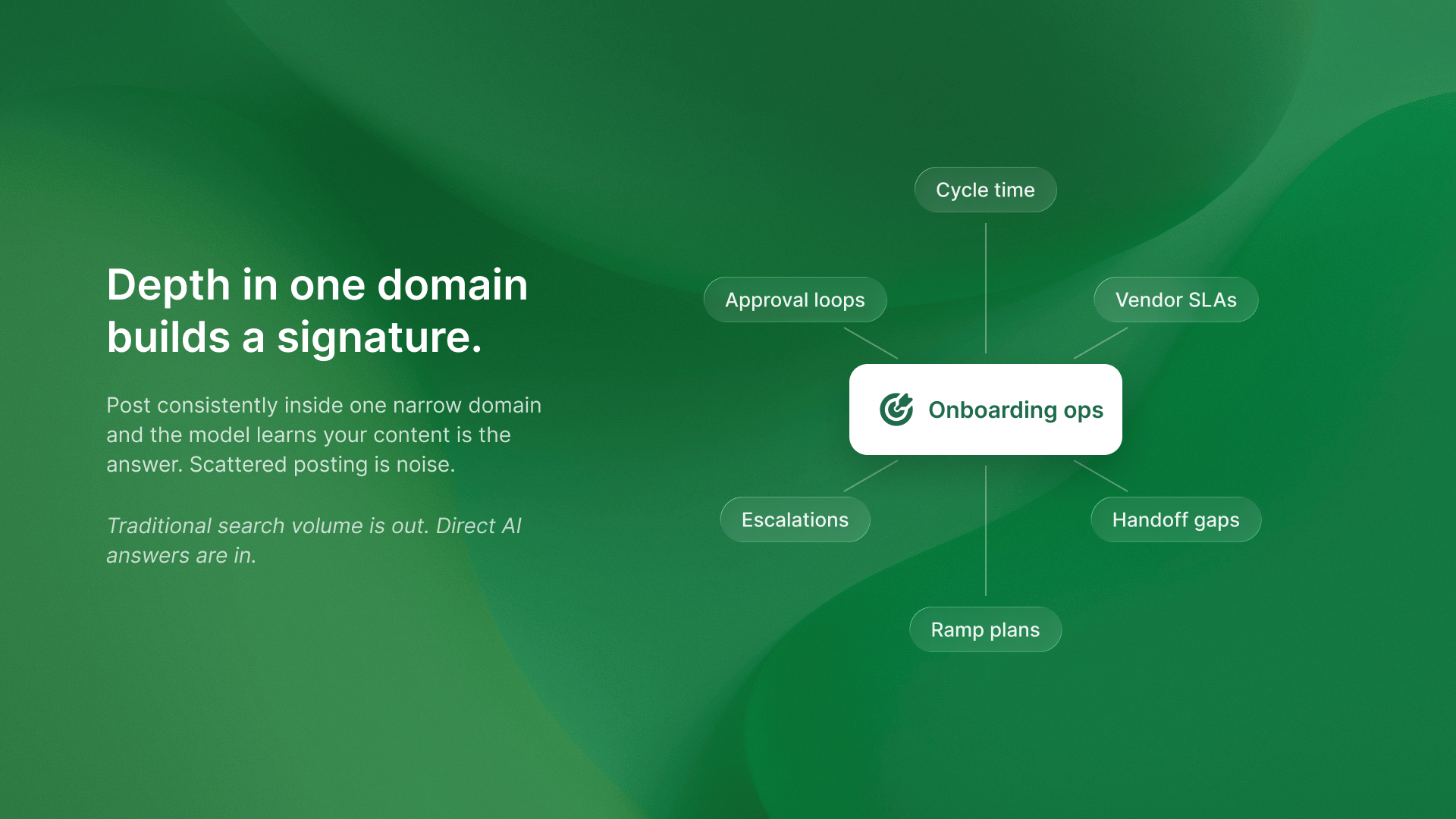
Semantic search grasps topic relationships. Depth drives discoverability. Post consistently about a narrow domain. That builds a semantic signature. The model learns that when someone asks about a specific business problem, your content is the best answer. Traditional search volume? Out. Direct AI answers in.
How to structure LinkedIn content for AI indexing
To be visible, make your content machine-parseable. Ditch flowery prose. Use structured format. AI search optimization demands natural language and structured data for credibility. Founders should focus on these technical requirements: Use natural language headers in long-form posts to define sections. Break down complex processes into bulleted lists for machine-readability. Define core concepts early to establish semantic context. Keep a consistent topical focus to strengthen authority signals. Use specific, concrete nouns instead of abstract business jargon.
Old SEO vs. new AI discovery: a tactical comparison
AI-driven discovery changes distribution. Keyword frequency can't mask shallow content anymore. The new system rewards the specialist. The one who offers a practical playbook for AI visibility.
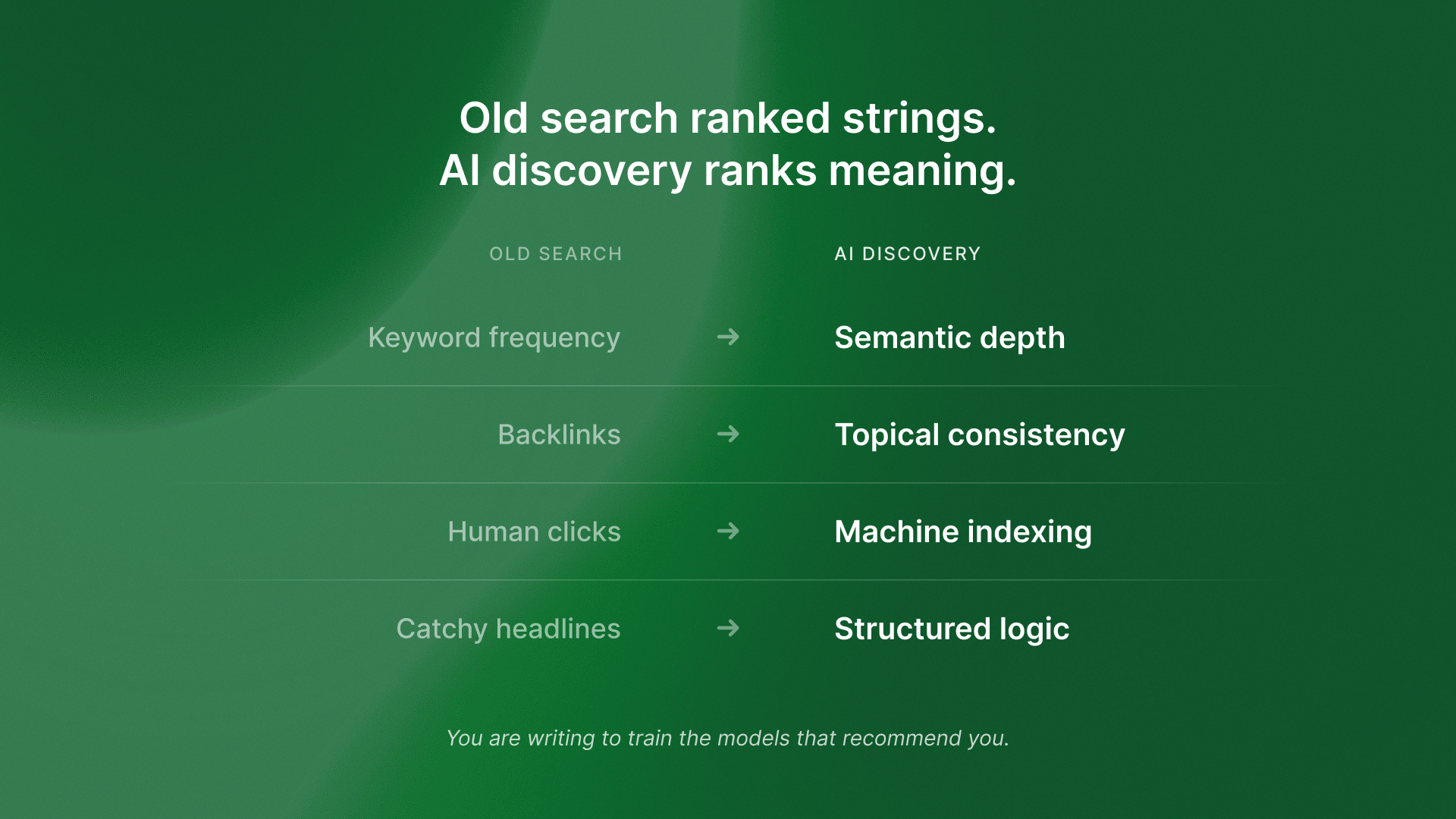
Comparison of search paradigms
Keyword frequency was the old measure. Semantic depth is the new one. Backlinks used to signal authority. Now it's topical consistency. Human clicks were the target. Machine indexing is the real audience now. Catchy headlines? They're out. Structured logic is in.
Building semantic authority with integrated systems
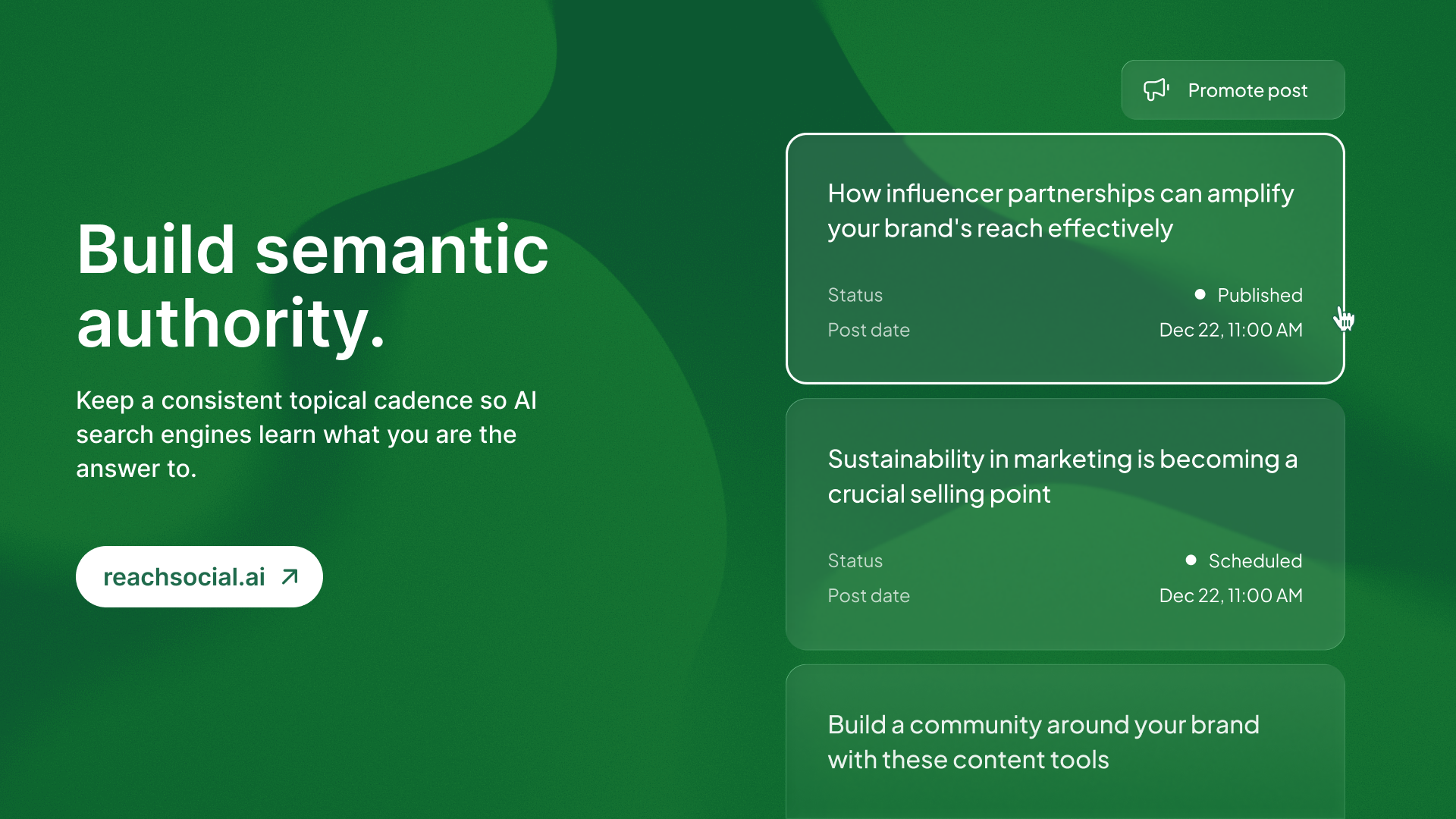
Trying to manage this consistency by hand? Usually fails. Creators who adopt a specialized semantic ranking framework position themselves to sustain visibility. They align with how platforms reward expertise over virality. A dedicated AI LinkedIn content tool makes sure your posts hit those technical standards. It's why these tools rank among the best LinkedIn tools.
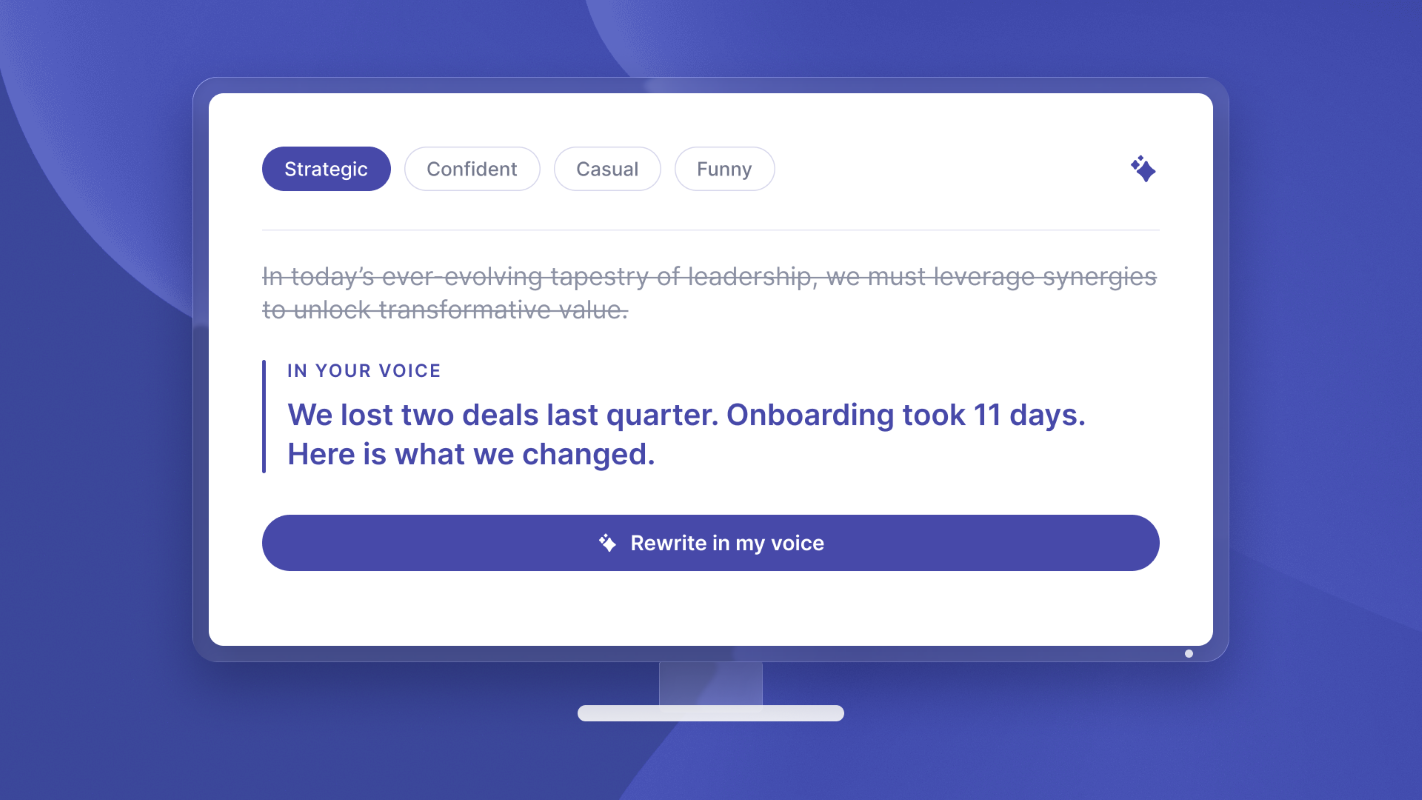
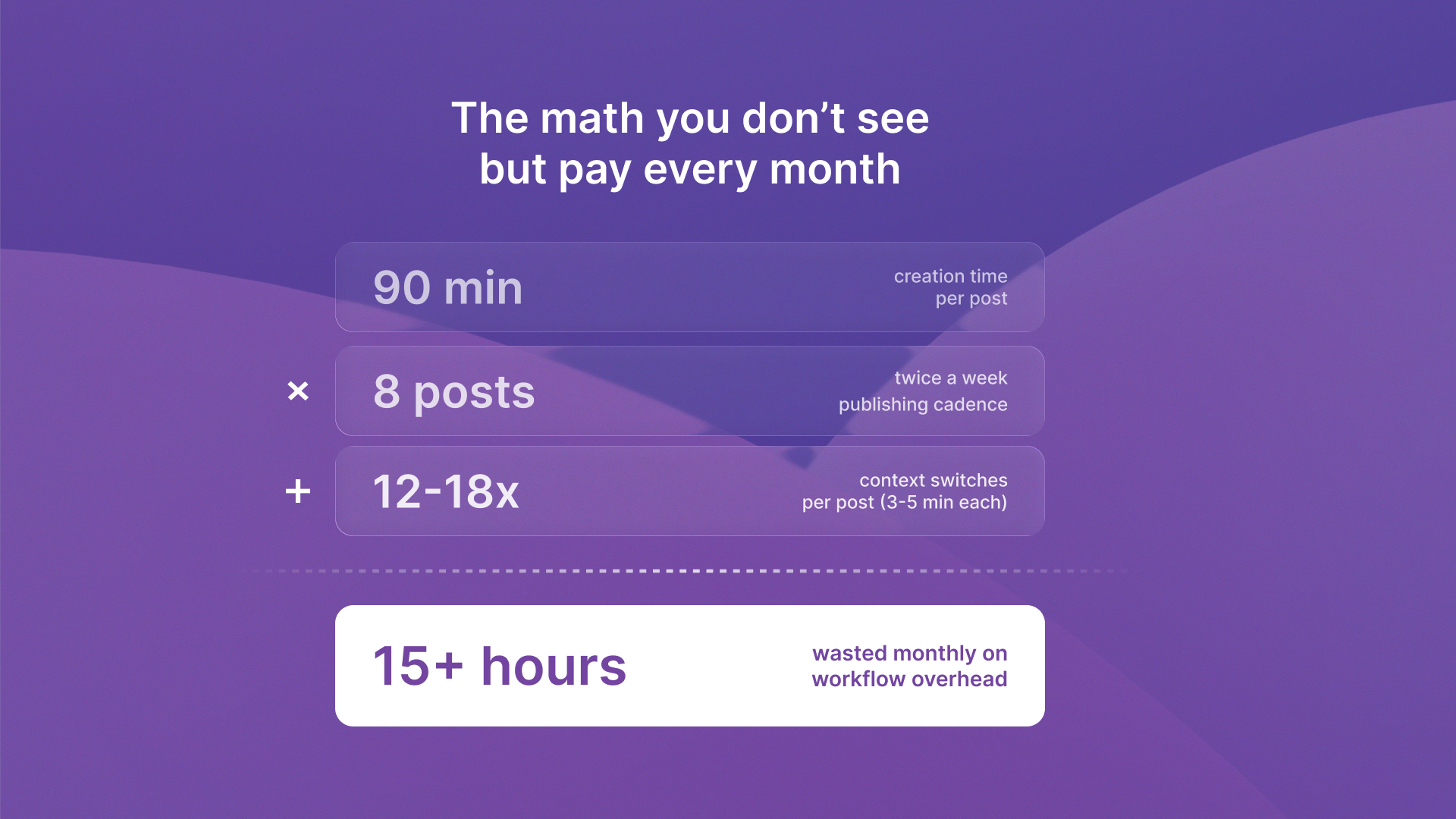
These tools let you integrate AI into your content workflow. Every piece of content aligns with your semantic signature. That avoids generic outputs that kill brand authority. Consistency is the primary signal for current algorithms. An integrated system removes the friction that causes content gaps. Automate the technical distribution, and you free up mental bandwidth for high-level storytelling. That remains a distinct competitive advantage. Even in an automated world.
The strategic choice: what to do next
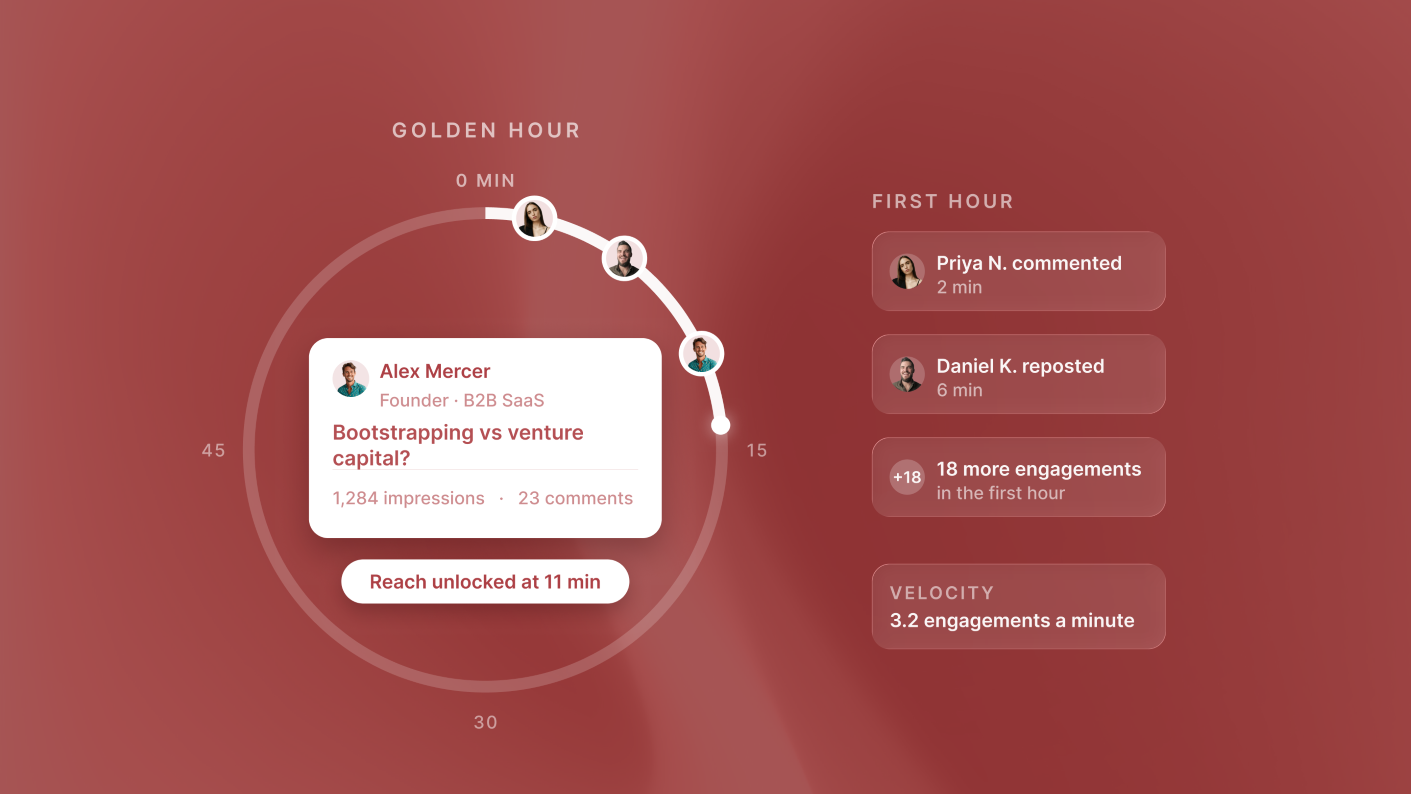
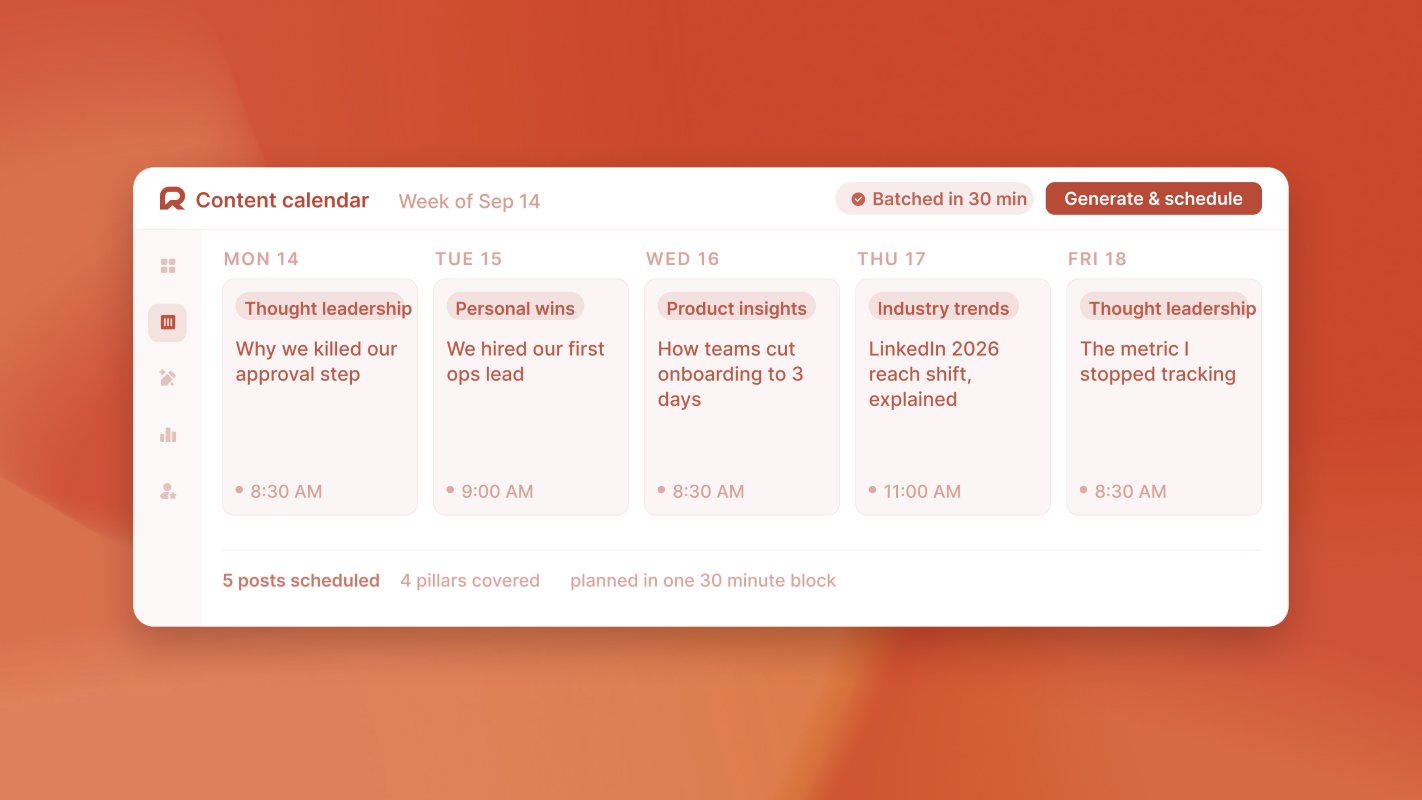
Audit your last five posts. Remove anything misaligned with your primary niche. Rewrite your bio to use natural language that defines the problem you solve. Adopt systematic distribution protocols to reach the right audience in the critical initial window. Focus on engagement velocity. Respond within 90 minutes. Schedule posts with AI to maintain cadence without manual effort.
Visibility is a system. Start building your semantic authority now, and you'll be the name AI engines point to when your ideal clients come asking. Ready to build yours? Start Free and create weeks of LinkedIn content in a single session.


.png)



%2520(14).png)
.png)
%2520(13).png)