
.svg)
.svg)
Predictive Content Strategy: Beyond Reactive Scheduling to Market-Driven Posting

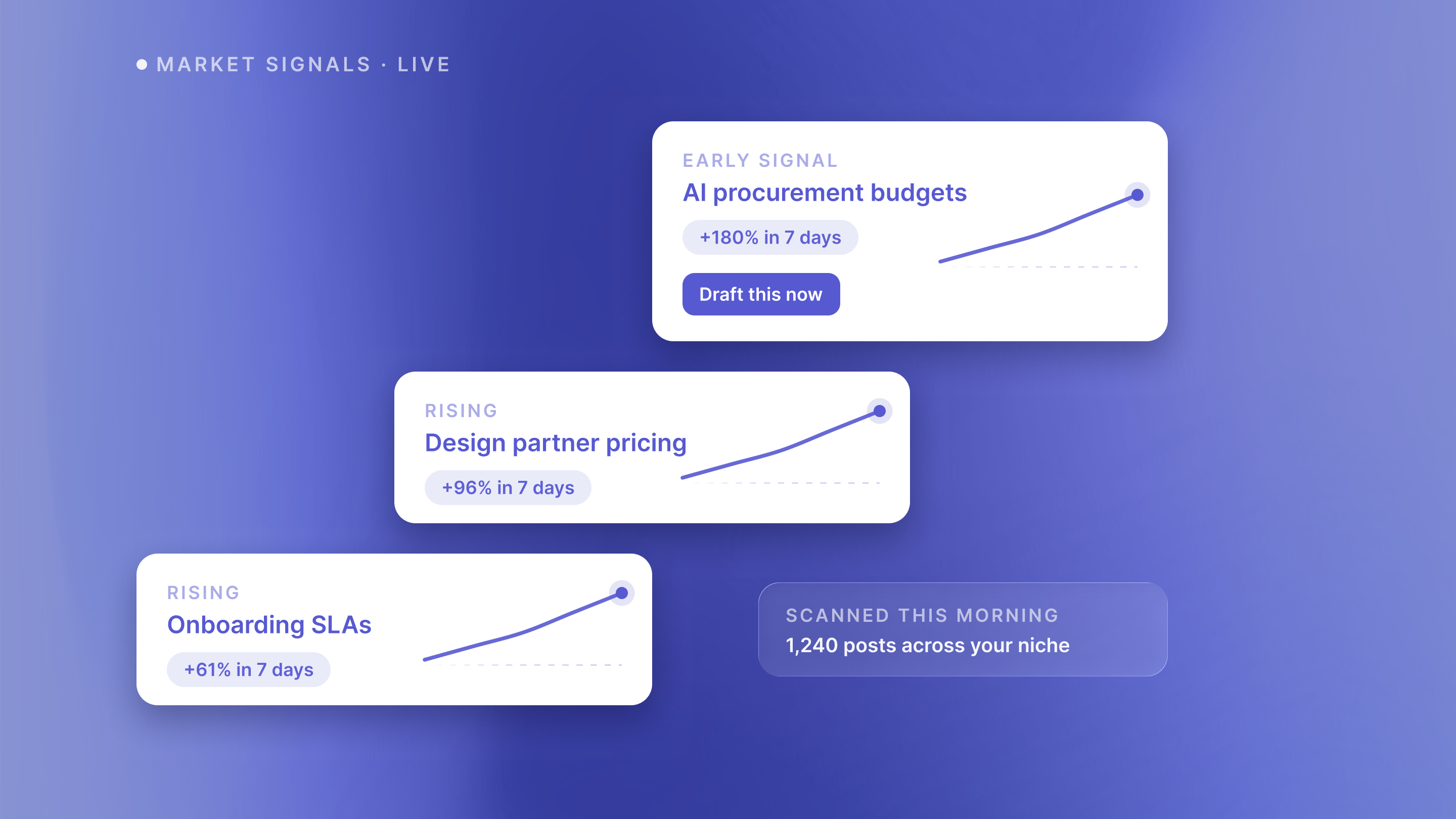
Treat your LinkedIn calendar like a to-do list and you'll always be a step behind. Agency owners post yesterday's news while the market debates tomorrow. That lag is why even regular posters watch their engagement flatten and their lead pipeline dry up.
I looked at a dozen growth-stage firms and saw the same bottleneck. Agency owners juggle scattered tools like ChatGPT and Buffer, but their content misses the market. Posting regularly matters, but doing it reactively keeps you from owning your niche.
To scale, you need to swap reactive workflows for something I call Prediction Market Logic. Instead of juggling tools, you align your posting with market demand. That shift turns your LinkedIn content strategy for founders into a conversion machine, because you're leading the conversation rather than echoing it.
The failure of reactive scheduling
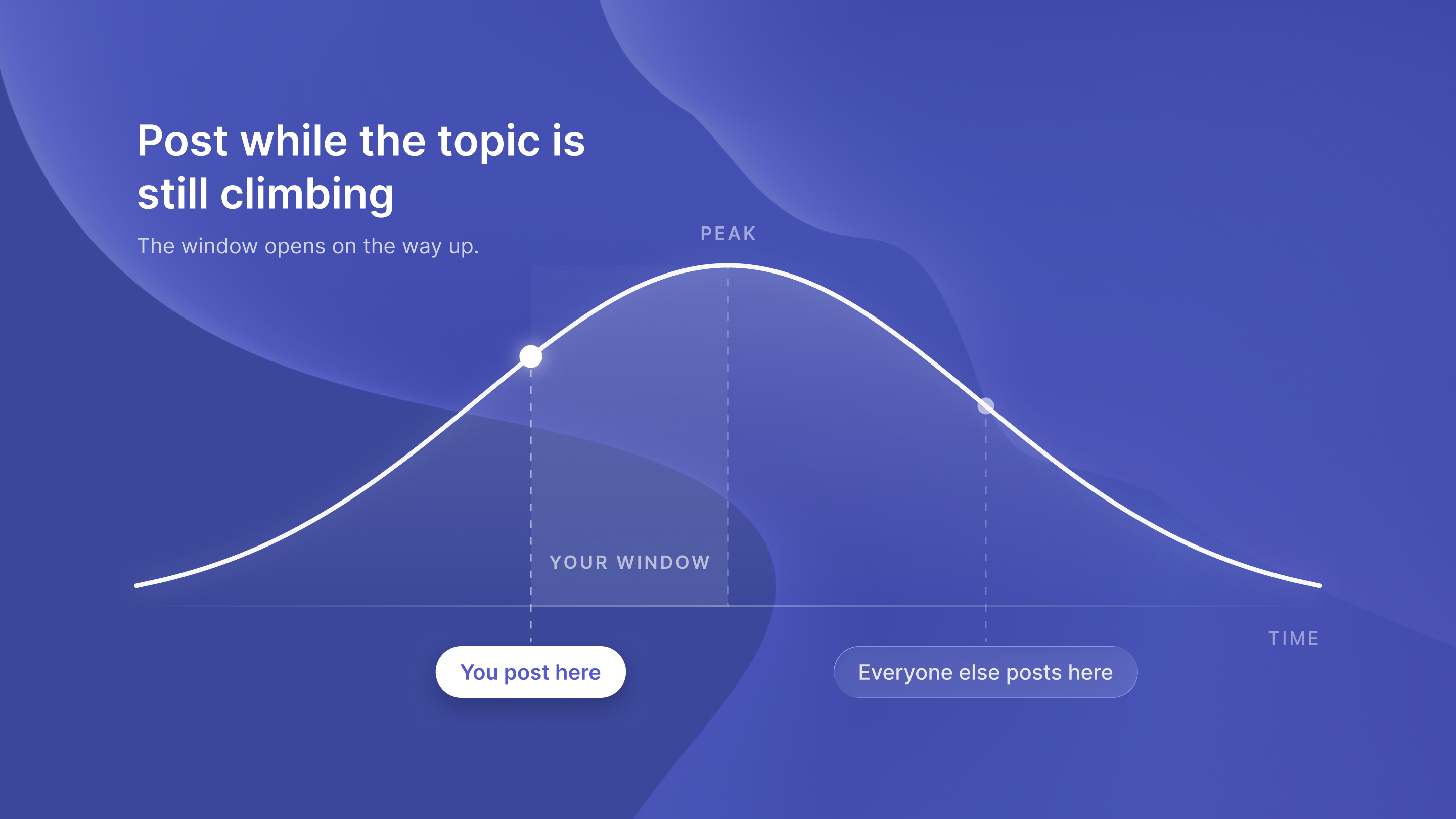
Reactive scheduling means you're documenting yesterday instead of shaping tomorrow. It's defensive. Post a meeting recap or a generic observation and you're fighting for attention in a space your prospects have already tuned out.
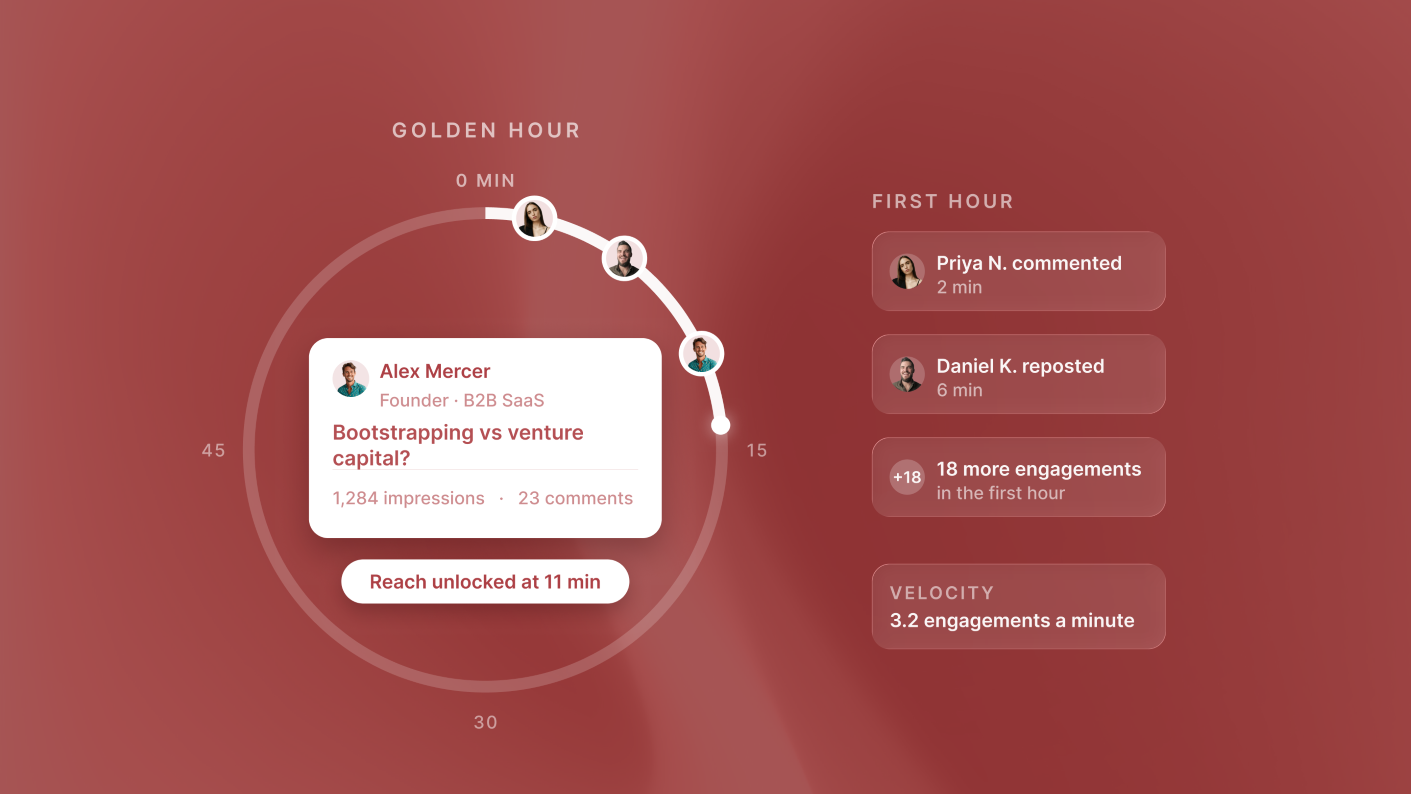
The results are predictable. Without a strategy to trigger early interactions, you'll see low engagement velocity and weak topical authority. That's not bad luck. It's a timing problem that locks you into aggressive outbound.
The "blank page" problem
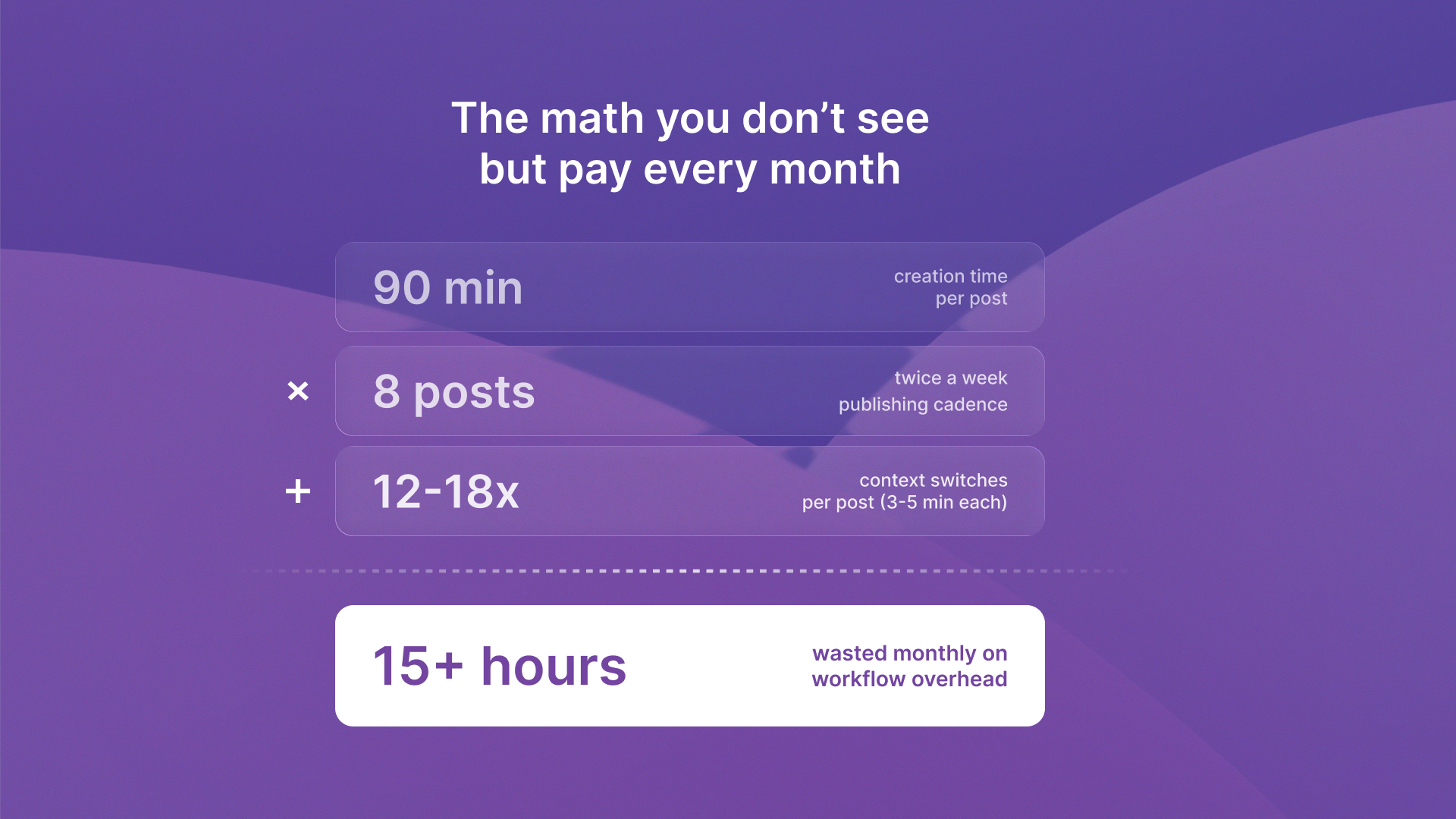
Most agency owners wait for inspiration. That leads to sporadic posting. I've seen it: rely on willpower and the blank page wins. The cost isn't just missed posts, it's time stolen from client work.
You copy text from docs to schedulers by hand, killing momentum. LinkedIn post templates help lower that barrier. But templates don't solve the timing issue.
Why Buffer isn't a strategy
Scheduling tools are just delivery mechanisms. They can't tell you what to say or when the market is ready. An agency leader who uses automated LinkedIn scheduling without a predictive layer is only distributing noise efficiently.
Real ROI comes when your content pillars match rising sentiment. Hitting "post" at 9 AM isn't enough. The algorithm rewards relevance over mere presence. ReachSocial merges planning and creation into one workflow, turning scheduling into a strategic move.
Implementing a linkedin content strategy for founders
Prediction Market Logic means timing your content to rising trends before they peak. You use data to anticipate, not react. That puts your agency first in your niche's conversation.
Modern AI content infrastructure makes it possible to scan market signals in real time, moving beyond simple automation into predictive modeling. Identify what customers need before they ask, and engagement climbs through automated personalization.
Using external market signals and data-driven forecasting, predictive tools scan what people are talking about to find relevant topics for your audience. That moves you from generic scheduling to high-intent distribution, turning guessing into a repeatable lead generation process.
Prediction market logic steps
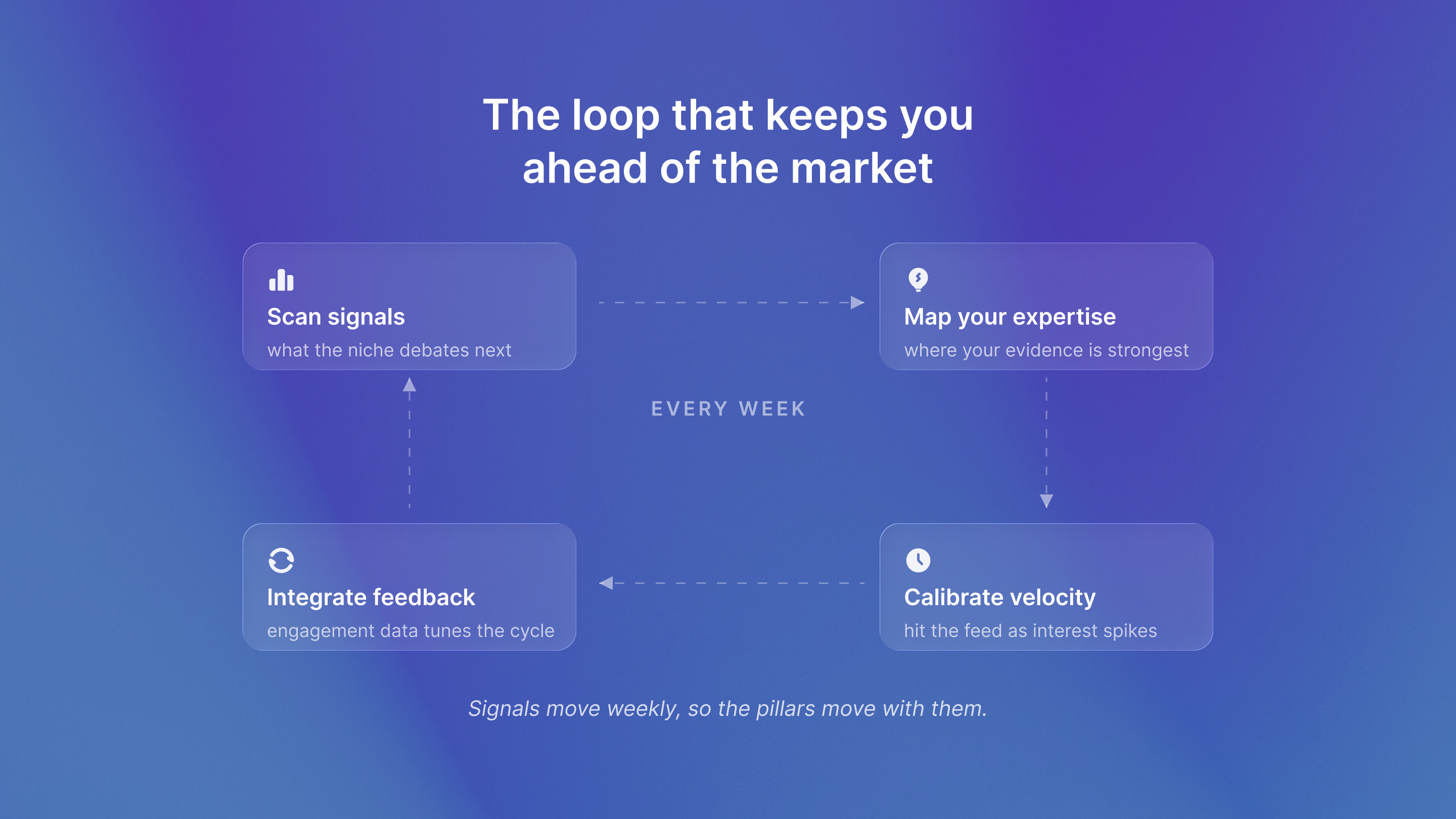
Start by scanning signals: monitor market sentiment to identify rising topical pillars in your agency's niche. Then map your specific expertise to those trends. Calibrate velocity by timing posts to hit the feed as interest spikes. Finally, integrate feedback: use engagement data to refine the next cycle.
Building a predictive linkedin workflow
Building a personal brand that moves fast means closing the gap between research and execution. I studied how top consultants and agency owners handle this across channels.
The most successful creators rely on systematic distribution protocols so their content matches the signals the algorithm rewards. Predictive content uses those data patterns to figure out what customers need and the best way to deliver it for conversions.
Scanning market signals
Your content pillars aren't static. They need to shift with what the market values. An AI LinkedIn tool like ReachSocial automates the identification of those shifts through structured roadmaps.
That cuts the manual research work. It frees you to focus on the expanded marketing role that actually drives ROI. A system outlasts willpower.
Automated personalization
Growth demands more than presence. You need the right message for the right person. Tools that schedule LinkedIn posts with AI and understand semantic ranking deliver that.
The algorithm rewards your expertise when personalization is automated. Friction drops. Velocity climbs. ROI follows.
What to do next
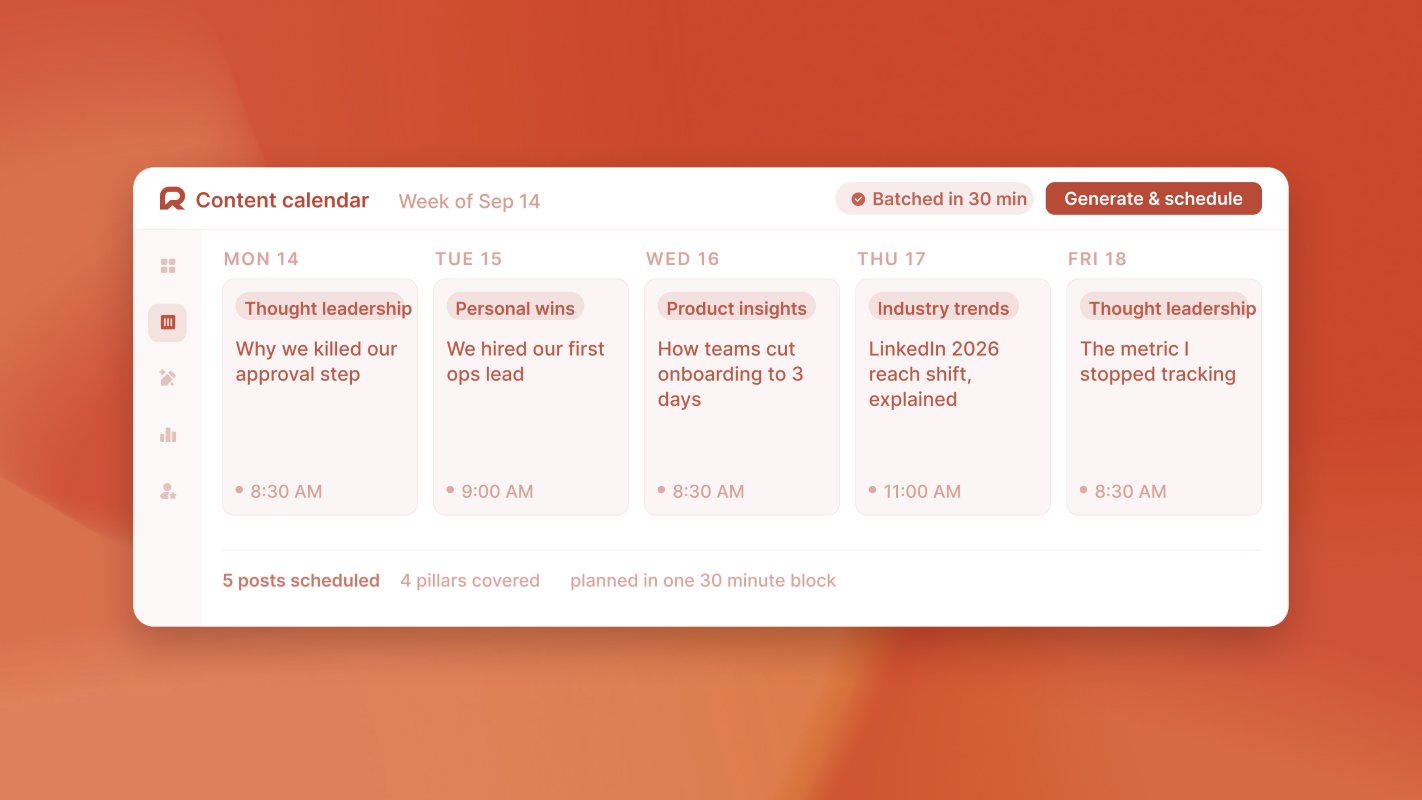
Audit your calendar with a 30-day content calendar template to separate reactive recaps from predictive insights. Next, find three market signals: topics rising but not yet peaking. Then move your content into a system that rewards semantic ranking and expertise. Finally, adopt a 30-day batch planning framework to reduce the drag of scattered tools.
LinkedIn ROI comes from consistent systems. To grow a following with AI, change how you think about timing. Leaders own the conversation.
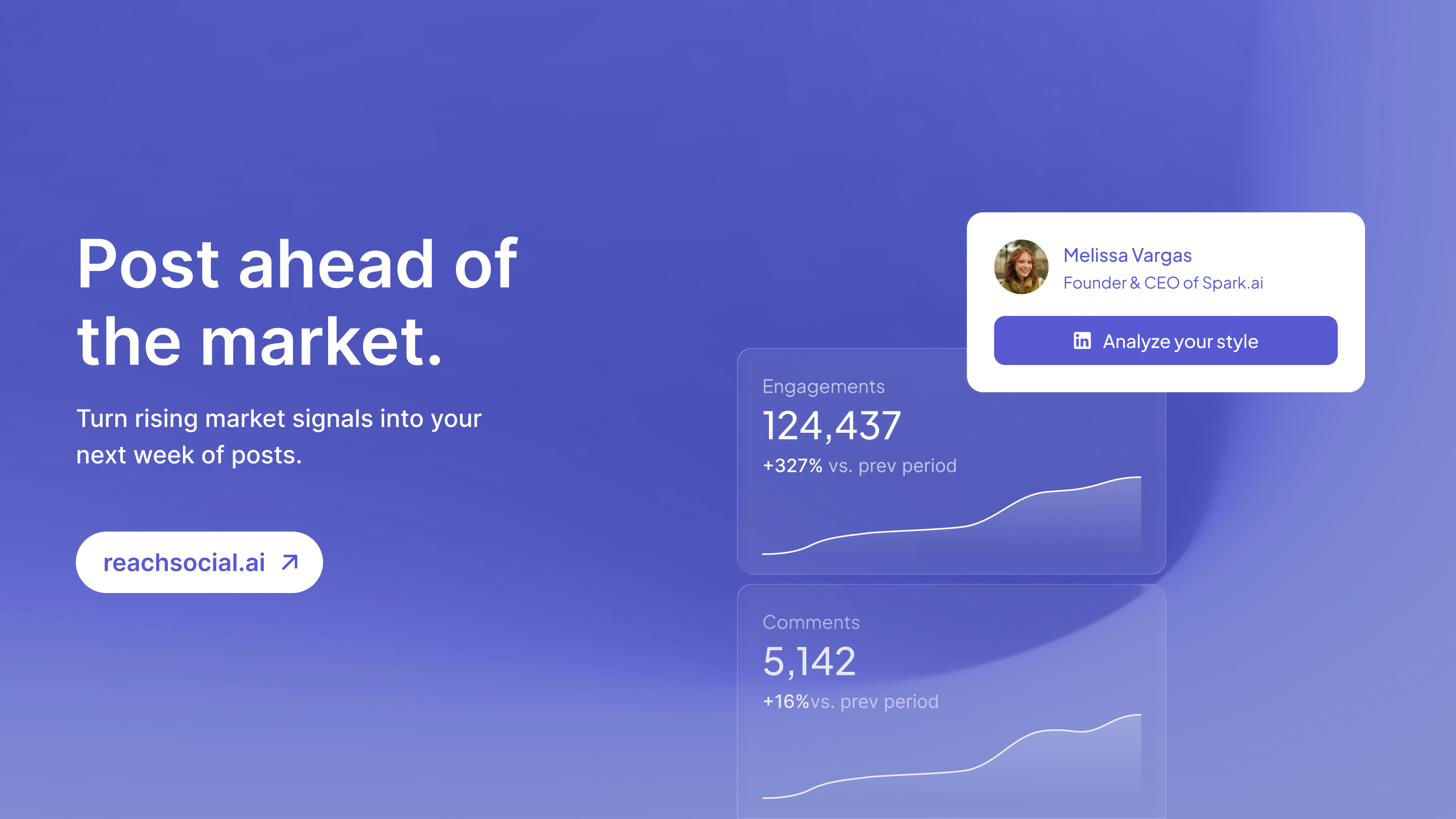
Ready to transform your LinkedIn presence? Sign up and start building your predictive content strategy.


.png)



%2520(14).png)
.png)
%2520(13).png)