LinkedIn Authority Autopilot: How Founders Turn Content Into Discovery Calls

TL;DR
- A LinkedIn authority autopilot turns content from a daily chore into a weekly system that brings in discovery calls.
- A qualified lead from cold outreach costs $2,000 to $4,500. A lead from an inbound authority system costs $90 to $240.
- Authority-led inbound converts 8 to 9 times better than outreach automation, because prospects arrive already interested in your expertise.
- One weekly batching session plus short engagement windows, roughly 60 to 90 minutes a week, keeps you consistent.
Most founders don't stall on LinkedIn because they run out of ideas. They stall because posting consistently is an operations problem, and they're running it by hand. Draft in one tool, schedule in another, remember to engage somewhere in between. Something gives, and it's usually consistency.
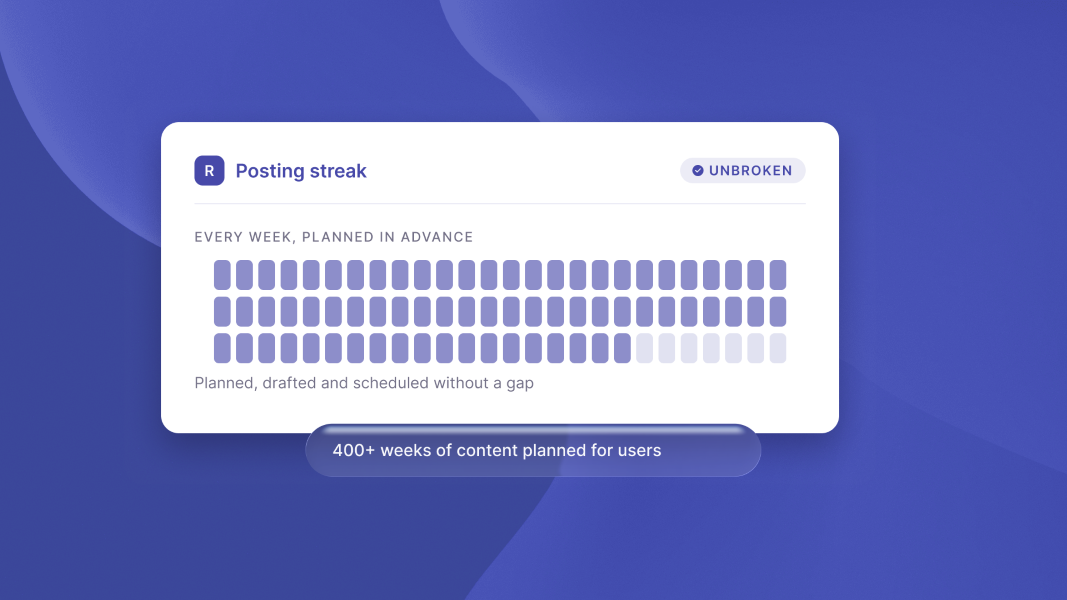
A LinkedIn authority autopilot fixes the operations side. You set up the system once, feed it a weekly batch, and your presence keeps compounding while you run the business. For founders, CEOs and agencies, it's the most practical way to replace cold outreach as your main source of pipeline. Here's how to build one.
The high cost of manual LinkedIn management
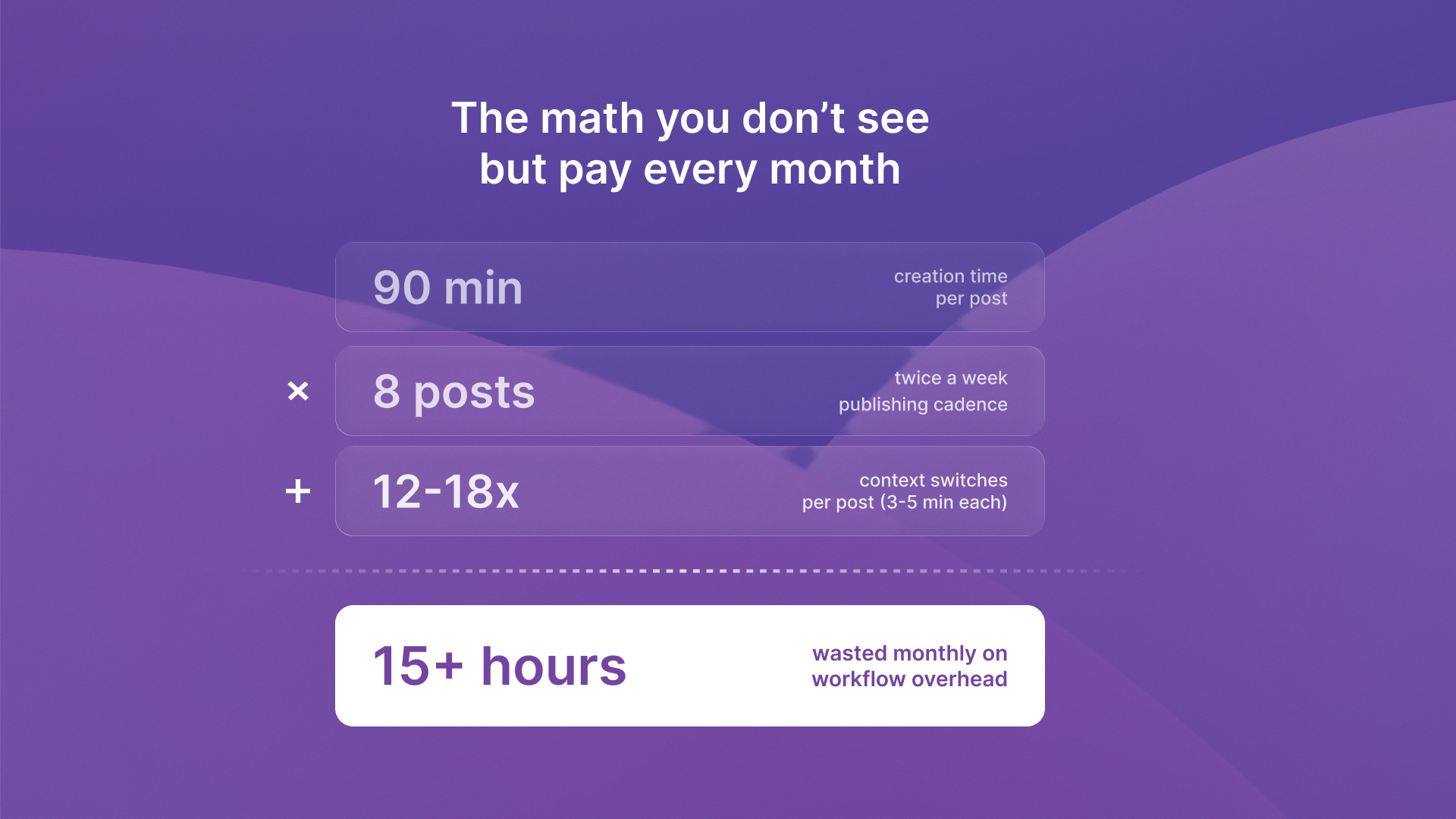
When you're both the expert and the admin, every draft you copy between tools is time taken from clients and the business. That friction is what kills consistency. And when consistency drops, many teams fall back on cold outreach to fill the pipeline, which gets expensive fast.
What cold outreach really costs per lead
A qualified lead from traditional cold outreach costs $2,000 to $4,500. A lead from an inbound authority system costs $90 to $240 (ConnectSafely). Same pipeline goal, a fraction of the spend.
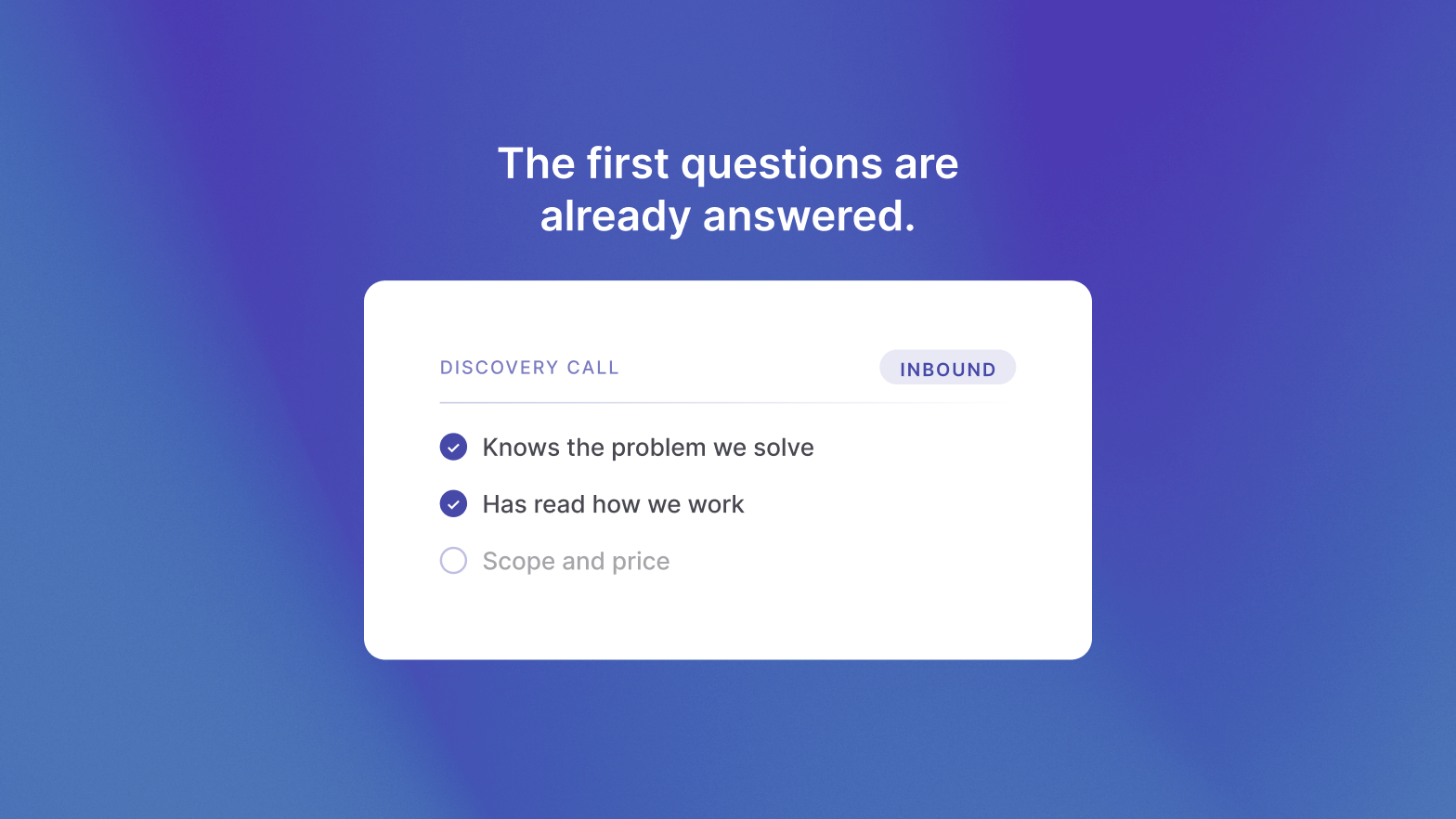
The quality gap is just as wide. Authority-led inbound converts 8 to 9 times better than outreach automation (ConnectSafely), roughly 14.6% versus 1.7%. The reason is simple: prospects who find you through your content start the relationship interested, not interrupted.
The catch is time. For consultants and agency owners, every hour spent writing posts is an hour you aren't billing a client (LinkPilot). That's why the system matters more than the effort. If you'd rather not carry all of it in-house, a hybrid model works too: bring in fractional marketing specialists to cover the gaps your team can't.
Building the LinkedIn authority autopilot framework
An authority autopilot has two parts: a profile that converts and a workflow that runs without you babysitting it.
The profile. Your profile is the first stop after someone reads a post. Write your headline around the problem you solve and who you solve it for, not just your job title. That turns a static profile into a landing page.
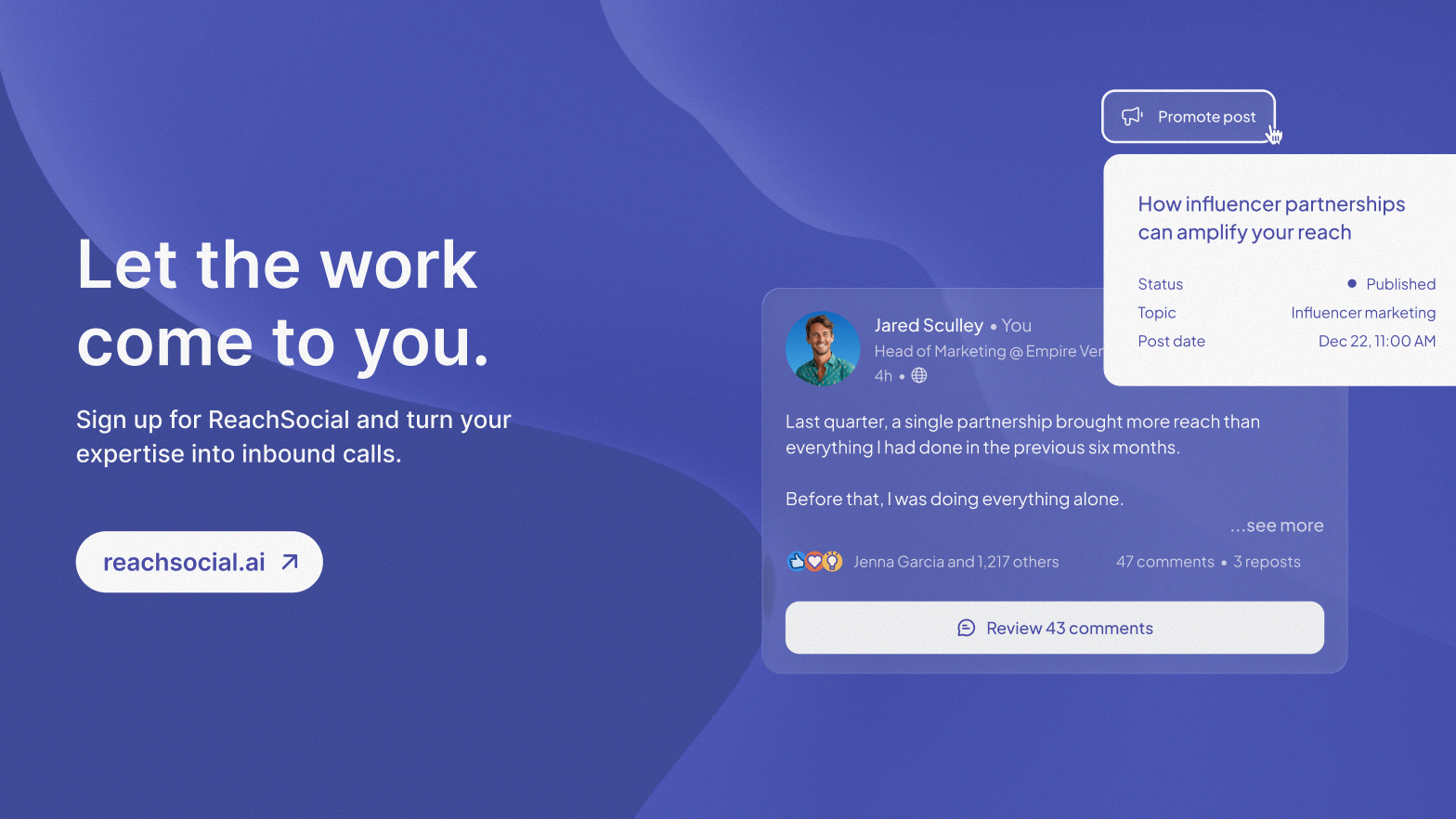
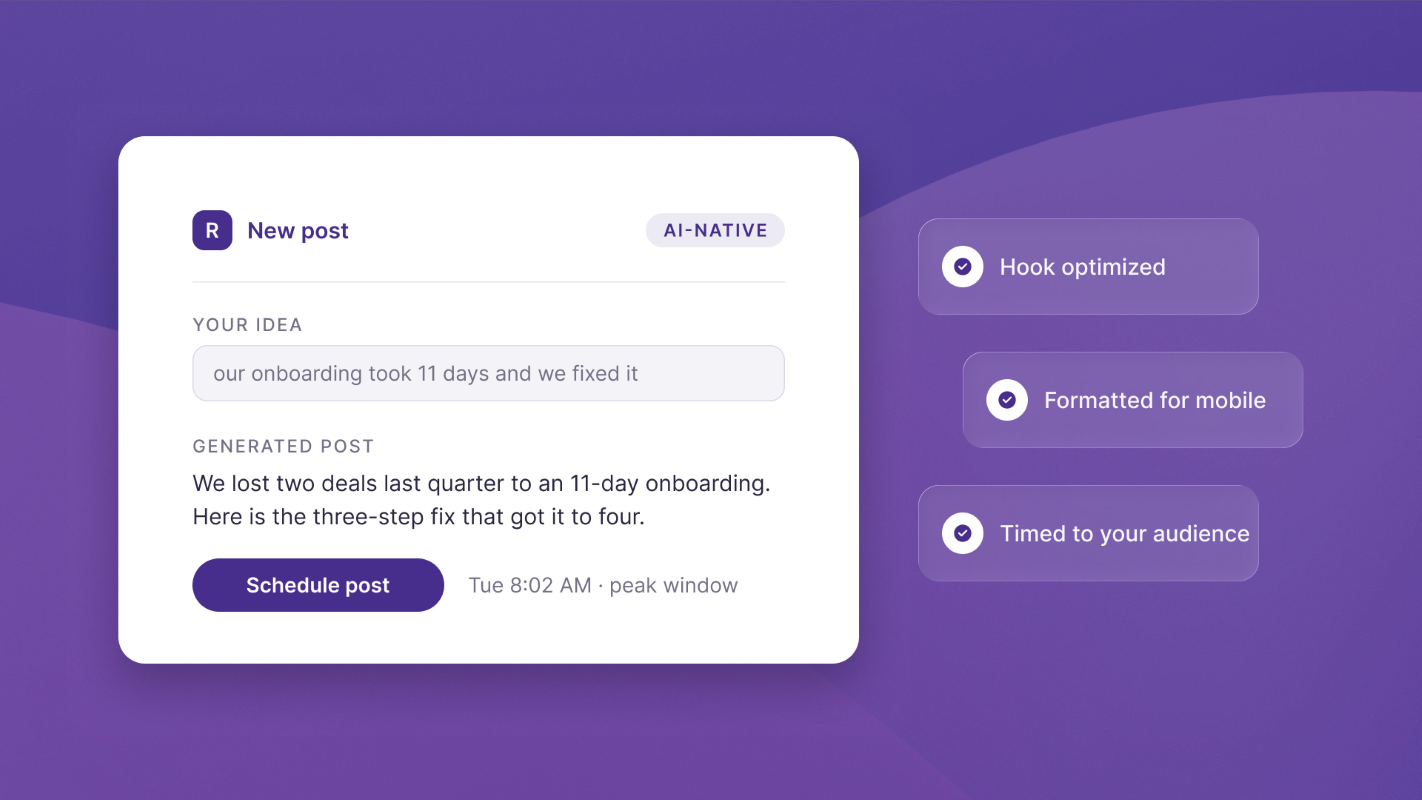
The workflow. The biggest bottleneck is tool-hopping between a writing tool, a scheduler and whatever you use to get posts seen. Put the whole cycle (generate, schedule, promote) in one place and the admin drops out. That's what ReachSocial is built for: it generates weeks of LinkedIn content in one go, schedules it to your personal profile, and promotes your posts to extend their reach.
Manual workflow vs. unified authority engine
| Aspect | Manual Workflow | Unified Authority Engine |
|---|---|---|
| Time Spent | 10–15 hours weekly | 3–4 hours weekly |
| Lead Quality | Low (cold / interrupted) | High (inbound / pre-sold) |
| Lead Cost | $2,000–$4,500 | $90–$240 |
| Conversion Rate | 1.7% | 14.6% |
The low-touch weekly routine for founders
A predictable discovery-call pipeline doesn't need a big time investment. It needs a routine you'll actually keep. Here's one that fits in about an hour to an hour and a half a week at three posts.
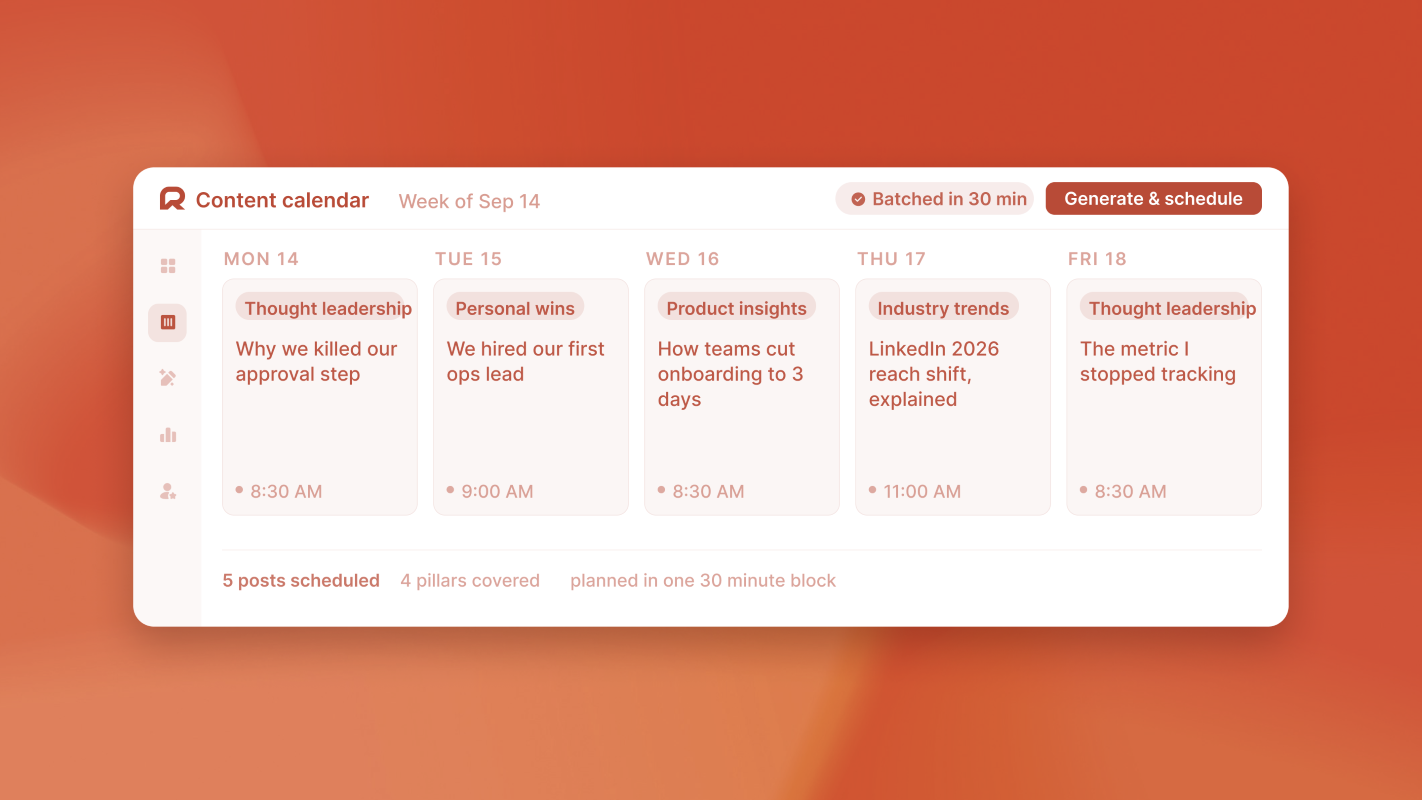
- Batch once a week (30 to 45 minutes): Turn website content, client wins and customer proof into a week or more of posts across your core topics. With ReachSocial, you can generate several weeks in one sitting.
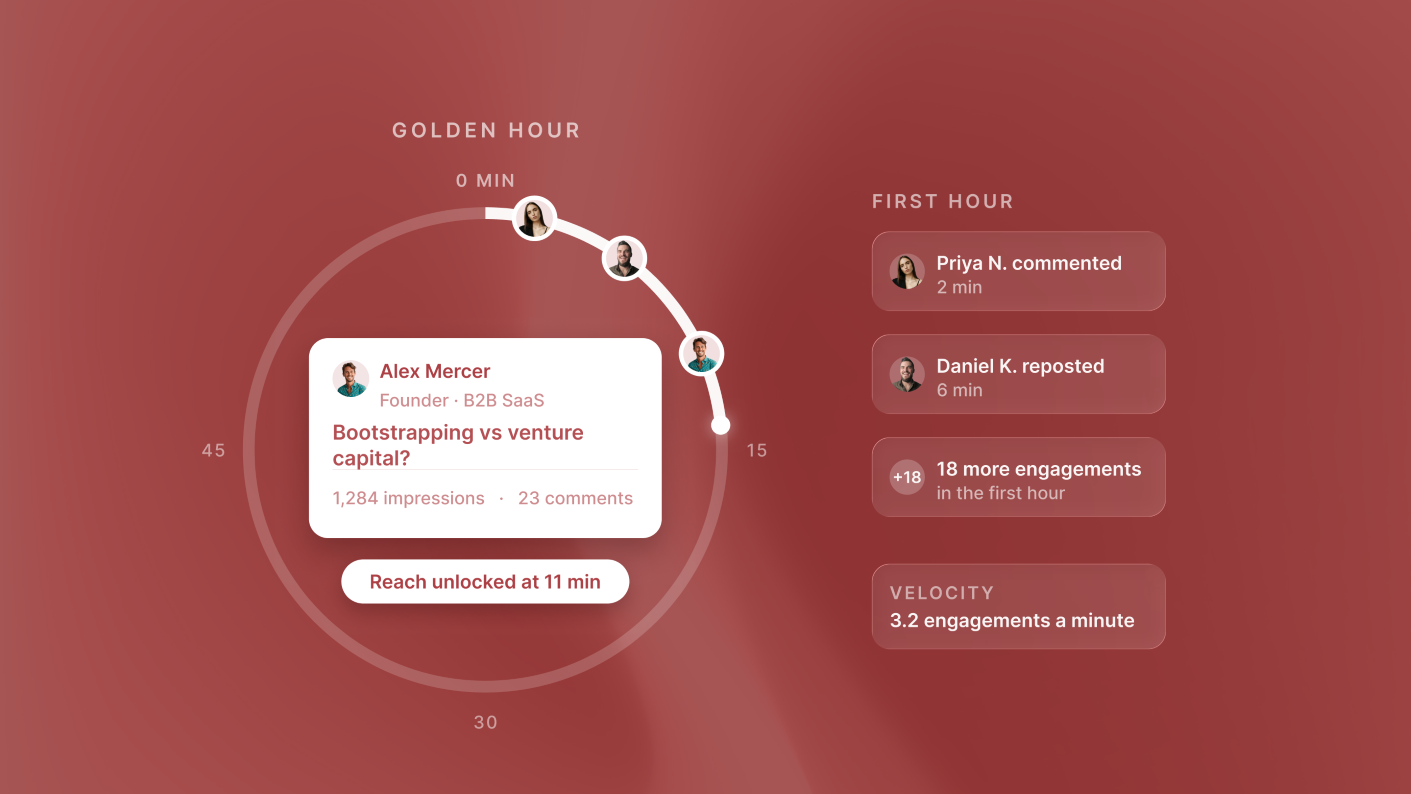
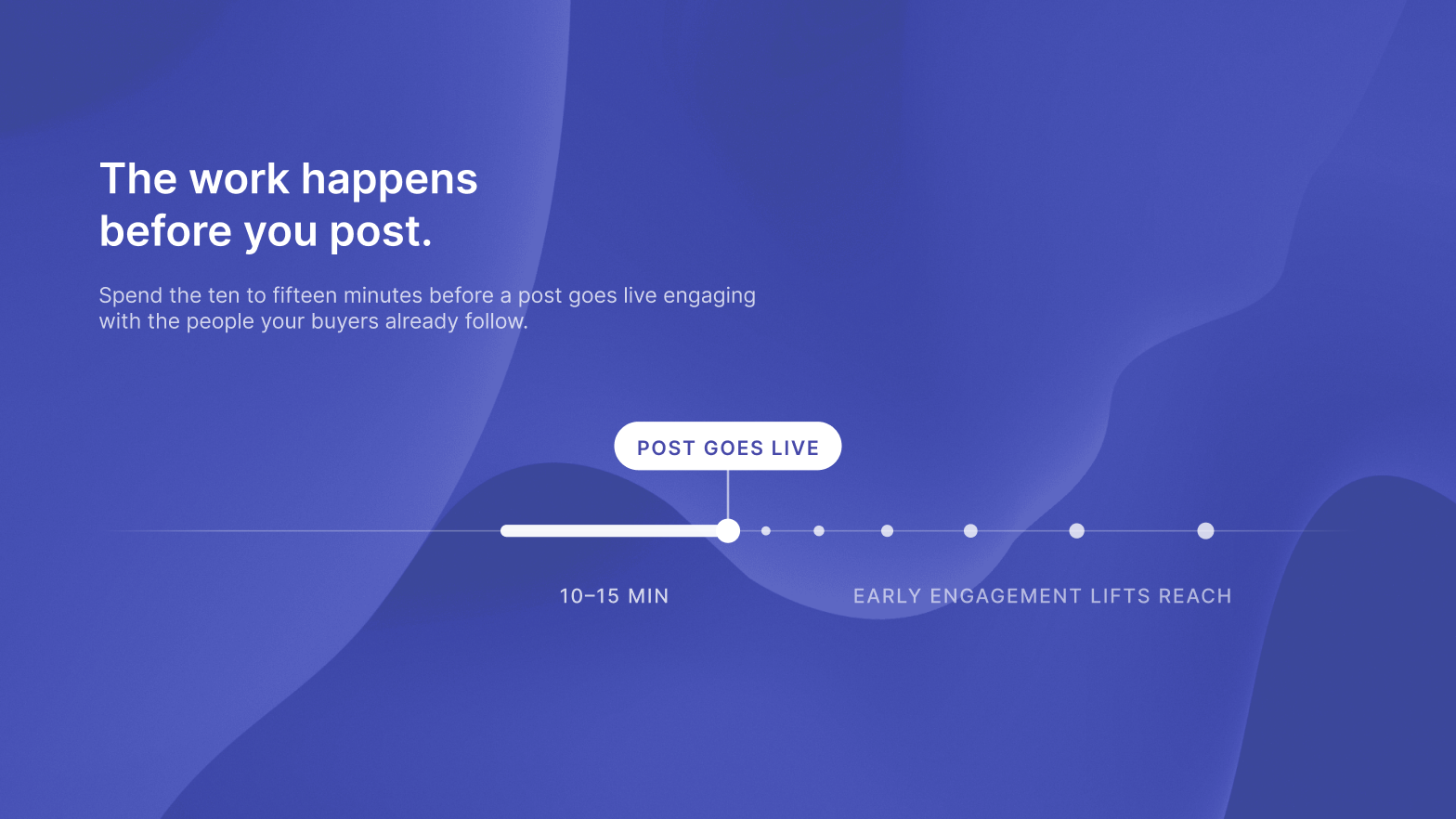
- Engage before you post (10 to 15 minutes per post): Comment on posts from people in your niche right before yours goes live, so you're already active when it lands.
- Track the right metric: Count inbound DMs from your ideal customer profile, not likes. Log them in your CRM so you can see which topics bring in calls.
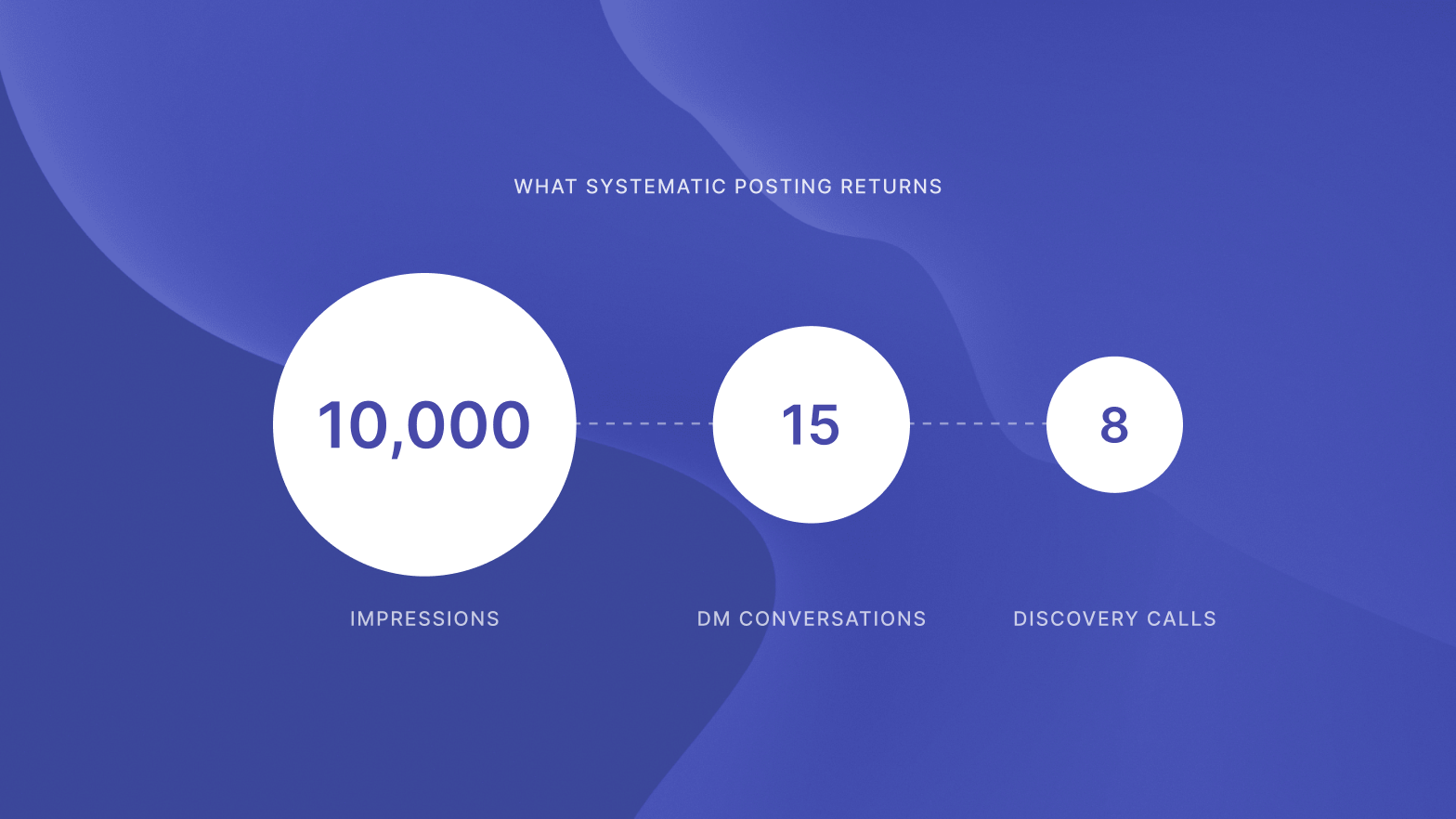
What can that return? In one benchmark, 10,000 impressions produced 15 DM conversations and 8 discovery calls (ConnectSafely). Your numbers will depend on your niche, audience size and offer. The point is the direction: fewer, warmer conversations instead of chasing cold ones.
That shift is the core of a strong LinkedIn inbound lead strategy, and it's why effective LinkedIn lead generation for consultants and founders moves from volume to authority.
What to do next
- Audit your current stack and note where copy-paste tasks eat your time.
- Rewrite your headline around the problem you solve and who you solve it for.
- Pick five core topics you want to own.
- Block one weekly batching session on your calendar.
- Move generation, scheduling and promotion into one system, so distribution runs without you.
Authority is a long game, and consistency is how you win it. Build the system once, feed it weekly, and your LinkedIn presence keeps compounding while you run the business.
Ready to let the work come to you? Start Free and plan your next few weeks of LinkedIn content in one sitting.